
The Best Time to Paint the Exterior of a House in Massachusetts
· By Barreto Lima
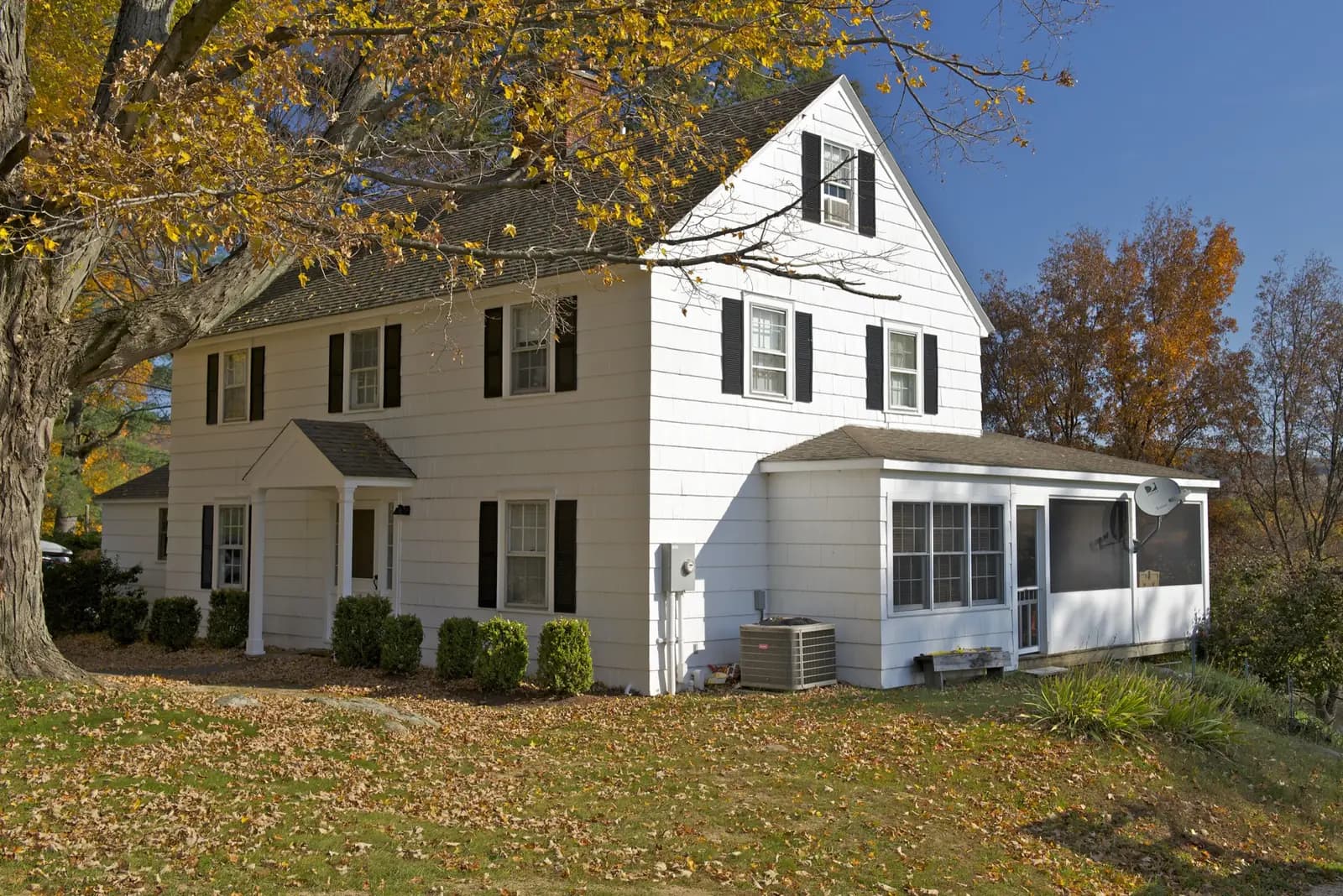
In Massachusetts, the calendar does a lot of the deciding for you. Exterior paint needs the right temperature, dry surfaces and enough time to cure before the weather turns, and New England only offers a certain number of months that check all those boxes. Pick the wrong week and even good paint can blister, wrinkle or wash off before it sets.
This guide explains the months that typically work best for exterior painting in eastern Massachusetts, the temperature and moisture rules that matter more than the date, and how to plan your project so the finish has the best chance to last. If you live in Andover or anywhere north and west of Boston, Blessed Partners & Paint Group can walk your home and talk through timing during a free estimate.
The short answer: late spring through early fall
For most of eastern Massachusetts, the practical exterior painting season runs from roughly mid to late May through early or mid October. Within that window, many homeowners and painters consider late spring and early fall the sweet spots. Temperatures are moderate, humidity is often lower than in midsummer, and the sun is less punishing on freshly applied paint.
Midsummer can work very well too, as long as the crew plans around the heat. July and August bring humid stretches and afternoon thunderstorms, so a good schedule follows the shade around the house and avoids painting surfaces in direct, intense sun.
Winter is effectively off the table for exterior work in eastern Massachusetts. Even on the occasional mild day, overnight freezing and frost on the siding make it very hard for paint to cure properly.
Temperature rules that matter more than the date
Every exterior paint has a minimum application temperature printed on the label. Many standard acrylic latex products call for air and surface temperatures of at least 50 degrees Fahrenheit, while some newer formulas are rated for application down to around 35 degrees. Oil-based and alkyd products usually need warmer conditions.
What many people miss is the overnight low. Paint keeps curing for hours after it feels dry, and a sharp drop in temperature that night can interfere with that process. In late September and October, a sunny 60 degree afternoon can be followed by a night in the 30s, which is why painters in New England pay close attention to the forecast for the next 24 to 48 hours, not just the day of the job.
Very high temperatures cause problems of their own. When siding is hot to the touch, paint can dry too fast, leaving lap marks and weak adhesion. That is why crews often start on the east side in the morning and move around the house as the sun moves.
Moisture, dew and rain
Wood siding needs to be dry before it is painted. After several days of rain, clapboards and shingles can hold moisture well below the surface, and painting over damp wood is a common cause of peeling and blistering later. Many painters wait a day or more after heavy rain before starting, and some check with a moisture meter.
Dew is the hidden enemy of fall painting. On cool nights, moisture condenses on siding in the evening and lingers into the morning. If paint goes on too late in the afternoon, dew can settle on it before it has a chance to set, leaving a dull, streaky or soapy-looking surface. A good fall schedule starts after the morning dew burns off and stops early enough to give the paint a few hours of dry air.
Rain in the forecast is the simplest rule of all. Most exterior paints need several hours without rain after application, so a crew will plan around incoming storms rather than race them.
Spring vs. fall: pros and cons
Spring painting gets your home looking fresh for the whole summer and gives the new paint a full warm season to cure before winter. The trade-off is that late spring can be wet, with stretches of rain that push schedules back, and pollen can stick to wet surfaces.
Fall offers crisp, dry days and often lower humidity, which many painters love. Leaves are also changing, which makes it a beautiful time to see your home in a new color. The downside is the shrinking window. Daylight gets shorter, nights get colder and the season can end abruptly with an early frost.
Either season can deliver excellent results. What matters most is that the crew respects the temperature and moisture rules on each day of the job.
How to plan your project around the season
The best painting months are also the busiest, so it helps to start planning early. Many homeowners schedule estimates in late winter or early spring, choose colors while the days are still short, and book a start date for late spring or early summer.
If you notice peeling or bare wood in the fall, it is usually better to address the worst spots before winter than to leave exposed wood through a season of snow and ice. A full repaint can then follow in spring. Talking it through during an estimate helps you decide what can wait and what should not.
Prep work like washing and scraping can sometimes happen on days that are too cool or damp for paint, which keeps the project moving even when the weather is less than perfect.
Local conditions north and west of Boston
Homes in Andover, North Andover, Lexington, Concord and the surrounding towns deal with the full range of New England weather: humid summers, colorful but quick falls, and long winters with freeze and thaw cycles that are tough on paint and caulk. Properties near the Shawsheen, Concord and Charles rivers or surrounded by mature trees may stay damp longer after rain and see more mildew on shaded sides.
Older wood-sided colonials and capes, common across the region, are especially sensitive to moisture. Giving them a dry stretch of weather before painting and choosing the right primer for bare wood both help the new finish last through many winters.
Book your free exterior estimate
Timing is one part of a lasting exterior paint job. Prep, product choice and careful application are the rest. Blessed Partners & Paint Group is based in Andover and offers a free estimate for exterior painting in towns north and west of Boston. Call or text (781) 420-3172 to plan your project, or see our exterior painting service page.
Frequently asked questions
- What month is best to paint a house exterior in Massachusetts?
- Many homeowners aim for late May through June or September through early October. Those months tend to offer moderate temperatures and lower humidity. Midsummer also works with careful scheduling around heat and storms.
- How cold is too cold to paint outside?
- It depends on the product. Many exterior latex paints need air and surface temperatures of at least 50 degrees Fahrenheit, while some formulas are rated down to around 35 degrees. Overnight lows matter too, since paint keeps curing after it feels dry.
- Can you paint a house in October in New England?
- Often, yes, especially early in the month. The key is working during the warmest, driest part of the day, avoiding dew in the morning and evening, and checking that overnight temperatures stay within the paint's requirements.
- How long after rain can you paint exterior siding?
- Many painters wait at least a day after rain, and longer after several wet days, so the siding has time to dry. Wood can hold moisture below the surface even when it looks dry.
- When should I book an exterior painter?
- Booking early helps, since the best months fill up. Many homeowners schedule a free estimate in late winter or early spring for work in late spring or summer.
Related services
Found this helpful? Make us a preferred source on Google.
Ready for an exact price?
Get a free, no-pressure in-home estimate. Real numbers for your home, not a phone guess.