
Painting a Home in Andover, MA: What Homeowners Should Know
· By Barreto Lima
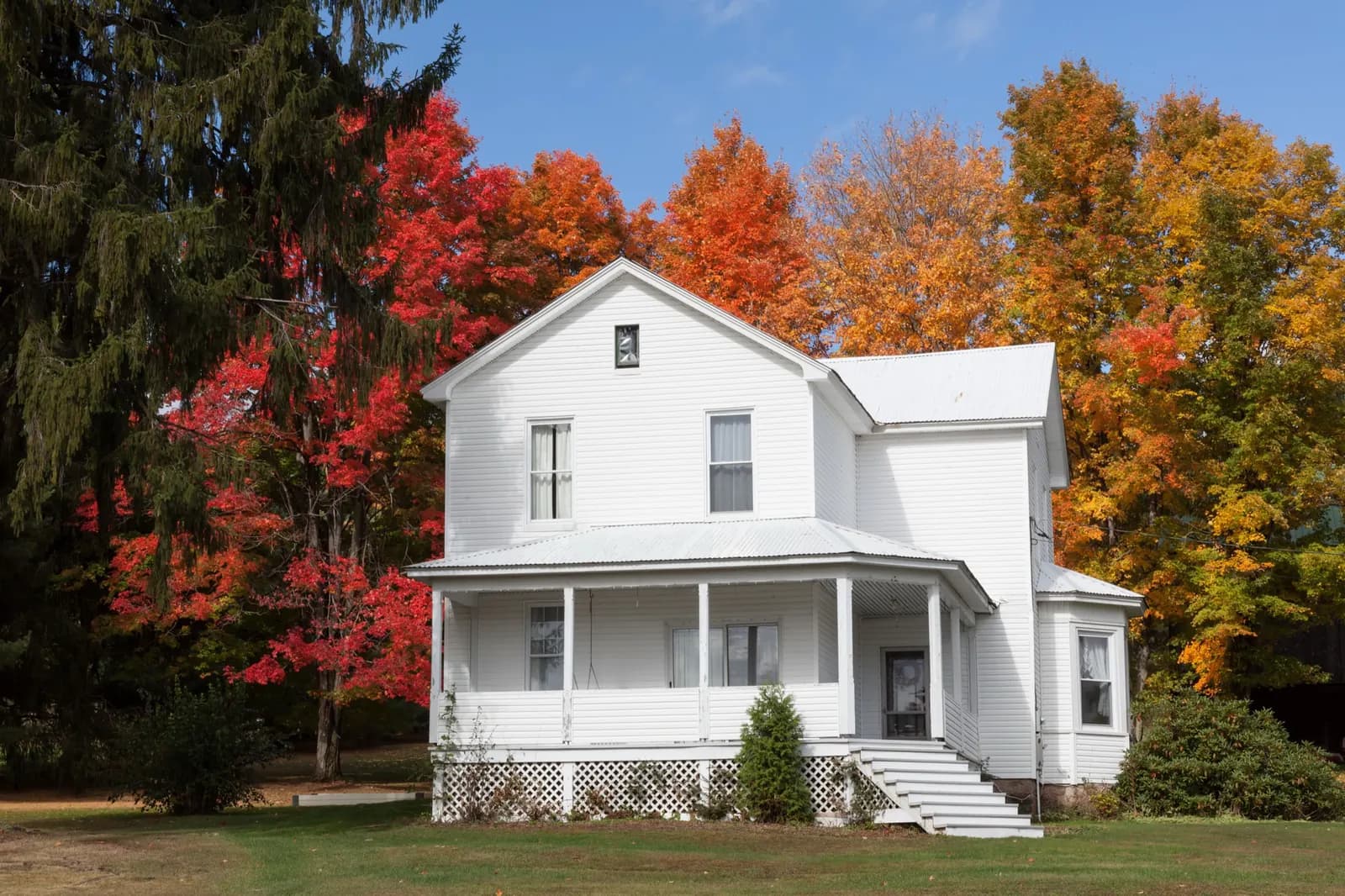
Andover is one of those towns where the houses tell the story. Drive down Main Street, through Shawsheen Village or out toward Ballardvale and you pass two centuries of building styles, many of them still wearing wood clapboard that needs fresh paint every several years. Painting a home here is not just a color choice. It is a small act of upkeep on a place with a lot of history around it.
This guide walks through what Andover homeowners usually want to know before a painting project: which colors suit the local architecture, when the weather actually cooperates, how much prep matters, what to know about lead paint in older homes and which questions help you compare painters. If you want a second set of eyes on your own house, every project with Blessed Partners & Paint Group starts with a free estimate.
The house styles you see around Andover
Andover's housing stock is mixed, and that matters for paint. Near the town center and Phillips Academy you find Federal and Greek Revival homes, Victorians with layered trim and plenty of Colonial Revival houses from the early twentieth century. Shawsheen Village has its own character: it was laid out by the American Woolen Company in the early 1900s, and many of its homes share a planned, uniform look.
Ballardvale, in the southern part of town along the Shawsheen River, grew up around its mills and still has a cluster of nineteenth century houses. Farther out, neighborhoods built after World War II bring Capes, split-levels, ranches and larger modern Colonials, often with vinyl or fiber cement on some walls and painted wood trim everywhere else.
Each style has different needs. A Victorian may have five or six trim elements that each deserve their own color decision. A 1990s Colonial might be mostly siding with painted trim, doors and shutters. Knowing what you have is the first step to scoping the work honestly.
Choosing colors that respect older architecture
For Andover's older homes, the safest starting point is the palette the style was built with. Federal and Greek Revival houses look natural in white, cream, pale yellow or soft gray with dark green or black shutters. Victorians can carry deeper body colors like sage, slate blue or a muted red, with two or three contrasting trim tones to pick out the details.
Colonial Revival homes tend to look best when the trim is crisp and lighter than the body, and the front door gets a single confident accent: a deep red, a navy or a classic black. Newer homes give you more freedom, but a muted, slightly warm color usually ages better under New England light than a bright, cool one.
Before you commit, buy sample quarts and paint large swatches on two sides of the house. Look at them in the morning and late afternoon. Colors on a small chip almost always read lighter and brighter on a full wall.
If your home sits in a designated historic area, rules may apply to some exterior changes. Requirements vary by property, so check with the Town of Andover before you settle on a scheme. A quick call usually answers it.
When to paint in Andover
Exterior painting in the Andover area generally runs from late spring into early fall. Most exterior paints need surface and air temperatures to stay above a minimum, often around 50 degrees, while the coating cures, and they should not be applied when rain or heavy dew is expected within a few hours. Check the label of the product being used, since some formulas are rated for cooler temperatures.
Late May and June bring long days but sometimes extended rain. July and August are usually dry, though very hot afternoons on sunny walls can make paint dry too fast. September is often the sweet spot: steady temperatures, lower humidity and mornings that dry off quickly. By late October the window narrows, and nights near freezing slow curing.
Interior work, cabinets and drywall repair can happen any time of year, which is why many Andover homeowners schedule inside projects for winter and book the exterior for the warmer months.
Prep is where the job is decided
On older wood clapboard, the paint you see is only as good as what is underneath it. Proper prep usually includes washing the siding, scraping loose paint, sanding edges so they do not telegraph through the new coat, replacing or repairing soft wood, priming bare spots and caulking open joints around trim and windows.
Andover winters are hard on paint. Moisture gets into joints, freezes and pushes paint off the surface. Peeling that keeps returning in the same spot often points to a moisture source, such as a gutter overflow, a bathroom vent or missing flashing, and that should be addressed before repainting.
Inside, prep means filling nail pops and cracks, repairing damaged drywall, sanding glossy surfaces and protecting floors and furniture. When you compare estimates, look at how each one describes prep. Two prices can differ a lot simply because one includes thorough prep and the other does not.
Lead paint in older Andover homes
Lead-based paint was banned for residential use in 1978, so any home built before then may have it somewhere under the newer coats. A large share of Andover's houses predate that year. Intact lead paint is generally not a hazard on its own, but scraping and sanding it creates dust and chips that can be dangerous, especially for young children and pregnant women.
Federal EPA rules require contractors who disturb painted surfaces in pre-1978 homes to follow lead-safe work practices, and Massachusetts has its own Lead Law with extra requirements when children under six live in the home. If your house is older, ask any painter how they handle containment, cleanup and disposal, and look up the current guidance from the Massachusetts Department of Public Health.
Questions to ask before you hire a painter
A good estimate should be specific. Ask what surfaces are included, how many coats are planned, what kind of primer and paint category will be used (acrylic latex, oil-based or alkyd for certain trim) and how the property will be protected during the work.
Also ask how repairs found during the job are handled, who you will talk to while the work is in progress and what cleanup looks like at the end of each day. For older homes, ask how they approach lead-safe practices. For exteriors, ask how weather delays are handled.
Blessed Partners & Paint Group is based right here in Andover and offers interior painting, exterior painting, cabinet painting, drywall repair and deck and fence staining, plus commercial work. If you are weighing a project, call or text (781) 420-3172 and set up a free estimate.
Frequently asked questions
- How often should an Andover home's exterior be painted?
- It depends on the siding, sun exposure and how well the last job was prepped. Many painted wood exteriors in New England need attention every several years, and south and west facing walls usually wear first. Peeling, chalking and open caulk joints are the signs to watch.
- Do I need permission to change my house color in Andover?
- For most homes, no. Some properties in designated historic areas may have rules about exterior changes. Check with the Town of Andover for your specific address before you start.
- Is fall too late to paint the outside of a house?
- September and early October are often good painting weather in Andover. The key is keeping temperatures above the paint's minimum while it cures and avoiding cold, wet nights, which gets harder as November approaches.
- How much does house painting in Andover cost?
- Cost depends on the size of the home, the condition of the surfaces, the amount of prep and repair and how many colors are involved. The most reliable way to know is a free estimate based on your actual house.
Related services
Serving
Found this helpful? Make us a preferred source on Google.
Ready for an exact price?
Get a free, no-pressure in-home estimate. Real numbers for your home, not a phone guess.