
House Painting in Arlington, MA: A Homeowner's Guide to Porches, Plaster and Tight Lots
· By Barreto Lima
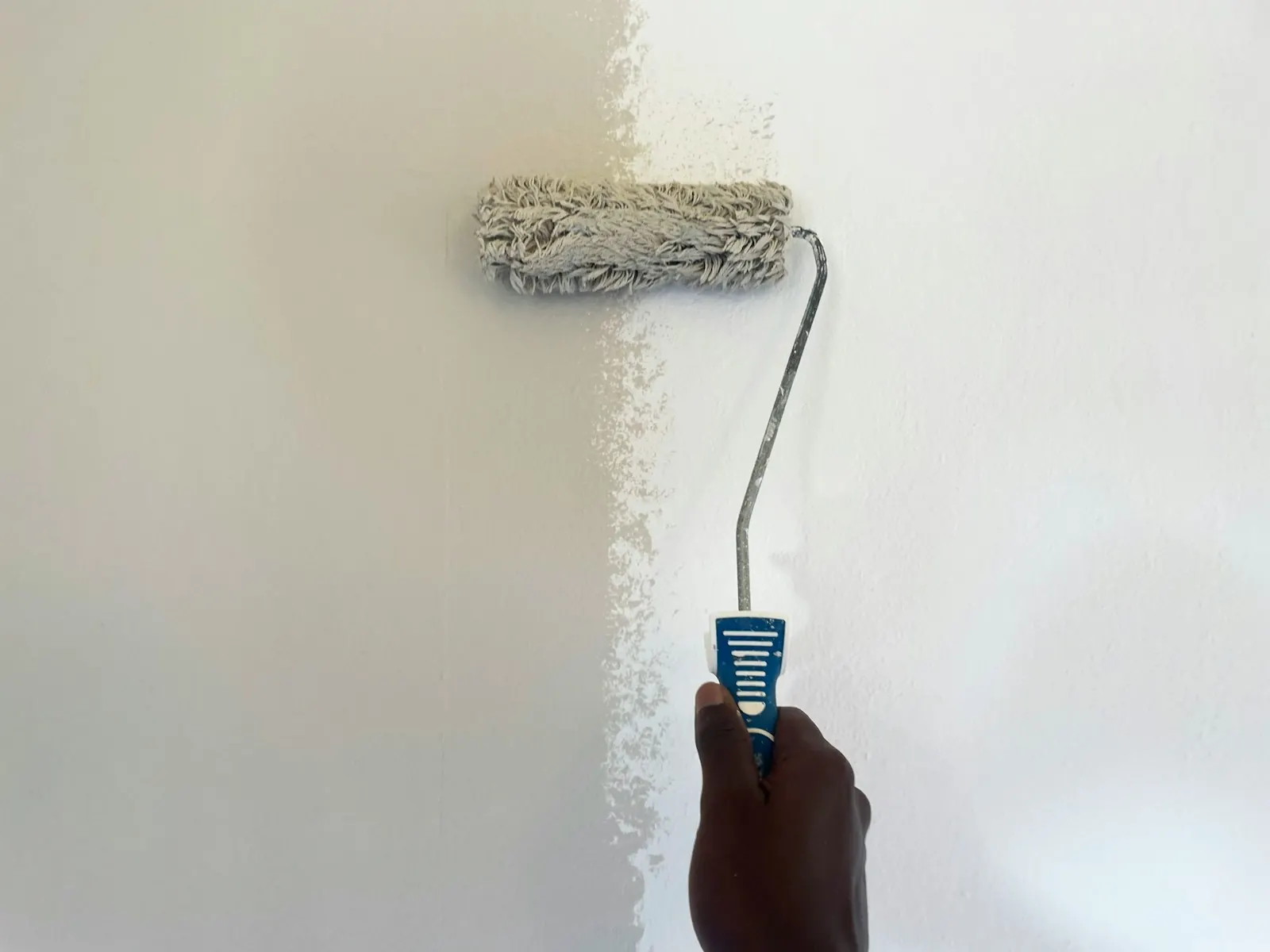
Arlington's houses sit close together, close to the street and close to a century old in many cases. East Arlington is lined with two-family homes and their stacked porches, Arlington Heights and Jason Heights climb the hills with Victorians and Colonial Revival houses, and the neighborhoods around Spy Pond and Morningside fill in with capes and colonials. Each of those homes brings its own painting questions.
This guide walks through the issues that come up most for Arlington homeowners: caring for porches, working on tight lots, painting over plaster, picking colors that fit the street, timing exterior work and handling lead paint in older houses. If you want someone to look at your home, Blessed Partners & Paint Group serves Arlington and every project starts with a free estimate.
Porches are the first thing to fail
On an Arlington two-family, the porches usually wear out long before the siding. Porch floors hold standing water, railings and balusters have dozens of joints where moisture gets in and steps take daily foot traffic. Add winter freeze and thaw cycles and it is common to see peeling floors and cracked rail paint while the walls above still look decent.
Repainting a porch well usually means scraping and sanding down to a sound surface, replacing soft boards or rail sections, priming bare wood and using a coating designed for floors on the walking surface. If water drips from an upper porch onto a lower one, or a gutter overflows onto the steps, fixing that first keeps the new paint from failing in the same spot.
Porch ceilings deserve attention too. They stay shaded and can collect mildew, and many older porches have beadboard ceilings with lots of grooves to clean and coat. Treating porches as their own part of the scope, rather than an afterthought, gives you a clearer estimate.
Working on a tight Arlington lot
Many Arlington houses sit a few feet from the property line, with a shared or narrow driveway on one side. That affects how an exterior project is planned. Ladders and staging need safe footing, cars may need to move on certain days and a neighbor's house, fence or car may need protection from overspray or drips.
A short conversation with your neighbors before the work starts goes a long way. Let them know roughly when the side facing their property will be painted and ask them to move anything fragile away from the shared wall. For owner-occupied two-families, think about how both households will get in and out while the front steps or porches are being worked on.
Painting over plaster in older homes
Arlington's older houses often still have original plaster walls and ceilings. Plaster is durable and quiet, but it develops hairline cracks as houses settle, and older layers of paint can peel if a later coat did not bond well. Before repainting, cracks are typically opened slightly, filled and sanded, and loose areas are scraped and primed.
Ceilings in older homes sometimes show stains from past leaks, which need a stain-blocking primer before the finish coat, or the marks will bleed through. In renovated sections, where drywall meets old plaster, the seams may need extra patching and feathering so the transition is not visible after painting.
If you are planning interior work, it helps to note every crack, stain and nail pop before the estimate. Drywall and plaster repair is part of the same project and is much easier to schedule together than as a separate job afterward.
Color choices that fit Arlington streets
Arlington's streetscapes are varied, which gives homeowners room to choose, but some guidelines help. Two-families and Colonial Revival homes often look sharp with a mid-tone body color, such as a gray, sage or muted blue, and bright white trim and porch railings. A darker front door adds definition without overwhelming the facade.
Victorians in the Heights can carry richer colors and two or three trim tones to show off brackets and window details. Capes and smaller colonials usually look best with a simple scheme: one body color, one trim color and an accent on the door or shutters.
Since houses stand so close together, look at how your choice will sit next to the neighbors on both sides. Paint sample swatches large enough to see from the sidewalk, and check them at different times of day. If your home is in one of Arlington's local historic districts, check with the Town of Arlington before changing exterior colors or details.
When to schedule the work
Exterior painting in Arlington usually runs from late spring through early fall. Most exterior paints need surface and air temperatures above a minimum, often near 50 degrees, while they cure, and should not be applied when rain or heavy dew is coming soon. Product labels list the exact limits.
Homes under large street trees or near Spy Pond and the Mystic Lakes may stay damp longer in the morning, which shortens the painting window each day. Late summer and early fall often offer the steadiest conditions. Interior painting, cabinet painting and drywall repair can be done in any season, which makes winter a practical time for inside projects.
Lead paint in Arlington's older housing
Most Arlington homes were built before 1978, the year lead-based paint was banned for residential use. Intact lead paint is generally not a hazard on its own, but scraping, sanding and demolition can create dust and chips that are dangerous, especially for young children and pregnant women.
Federal EPA rules require contractors who disturb paint in pre-1978 homes to follow lead-safe work practices. Massachusetts also has a Lead Law with requirements when children under six live in a home, which matters for owner-occupied two-families with a rental unit. Ask any painter how they handle containment and cleanup, and review current guidance from the Massachusetts Department of Public Health.
What a good estimate should include
Look for a written scope that lists each surface, the prep planned for it, the number of coats and the primer and paint category, such as acrylic latex for siding or a floor coating for porches. It should also explain how the property and neighbors' property will be protected and how cleanup is handled each day.
Ask how repairs uncovered during the job are handled and who you will talk to while the work is underway. Blessed Partners & Paint Group serves Arlington and nearby towns like Winchester and Lexington with exterior painting, interior painting, cabinet painting, drywall repair and deck and fence staining. Call or text (781) 420-3172 to set up a free estimate.
Frequently asked questions
- How often should porches on an Arlington two-family be repainted?
- Porch floors and steps usually need attention more often than the siding because they hold water and take foot traffic. Many homeowners touch up or recoat porch floors every few years and repaint the full exterior on a longer cycle.
- Can you paint just one side of a two-family?
- It is possible, but on a shared building the two halves usually need to match, so owners typically agree on colors and timing together. Talk it through with the other owner before the estimate.
- Is it better to repair plaster or cover it with drywall before painting?
- In many Arlington homes, plaster in reasonable shape can be patched, primed and painted with good results. Large areas of loose or failing plaster may need more extensive repair. An estimate can help you see which areas fall into each category.
- How much does it cost to paint a house in Arlington?
- It depends on the size of the house, porch work, the amount of prep and repair, access on the lot and the number of colors. A free estimate based on your home is the most reliable way to get a number.
Related services
Serving
Found this helpful? Make us a preferred source on Google.
Ready for an exact price?
Get a free, no-pressure in-home estimate. Real numbers for your home, not a phone guess.