
House Painting in Belmont, MA: A Practical Guide for Two-Families and Older Homes
· By Barreto Lima
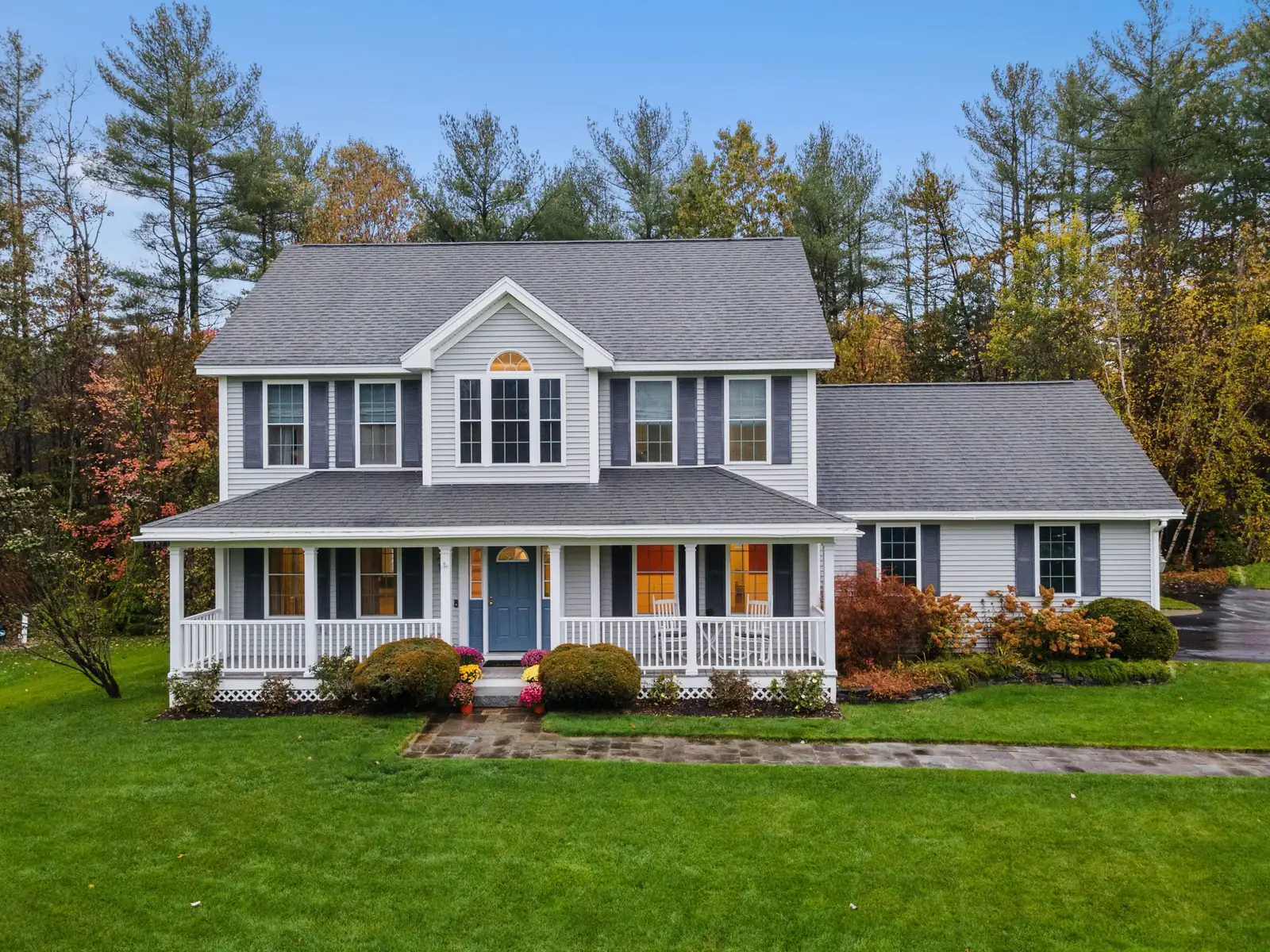
Belmont is a compact town with a lot going on architecturally. The two-family homes around Waverley and Cushing Square, the Colonial and Tudor Revival streets near Belmont Center and the larger homes on Belmont Hill were mostly built in the first half of the twentieth century. They share a few things that matter for paint: wood trim with many past coats, plaster walls inside and porches that take the brunt of the weather.
This guide covers what Belmont homeowners usually want to sort out before a painting project: how to plan work on a two-family, what older plaster and woodwork need, how to treat porches, which colors suit local styles, when the weather cooperates and what to know about lead paint. If you want a professional look at your own house, Blessed Partners & Paint Group offers a free estimate on every project.
Planning a paint job on a Belmont two-family
Two-family homes are one of Belmont's signature housing types, and they change how a project should be organized. Ownership often looks like an owner in one unit and a tenant or relative in the other, so it helps to decide up front which parts are shared (exterior, porches, front and back stairwells) and which belong to each unit.
For the exterior, the long side walls are usually the hardest part. Houses sit close together, side yards are narrow and ladders or staging may need to stand near a neighbor's property line. A short conversation with the neighbor before work begins goes a long way, especially if a fence, garden or driveway sits close to the wall.
For interiors, plan the order of rooms so each unit keeps a working kitchen and bathroom while painting is underway. Common stairwells are worth doing as their own phase, since they get heavy traffic and scuffs, and a durable, washable finish there pays off quickly.
Plaster walls, picture rails and older woodwork
Many Belmont homes still have their original plaster. Plaster is durable and sounds solid, but over a century it develops hairline cracks, settled seams near doors and windows and small areas where the plaster has pulled away from the lath. Painting over those without repair usually means the cracks show through again within a season or two.
Good prep starts with finding the problem areas in raking light, opening and filling cracks, securing any loose sections and skim coating where the surface is rough. Drywall patches from past electrical or plumbing work should be blended so the repair disappears under the finish.
Woodwork deserves the same attention. Picture rails, window casings, built-in cabinets and stair balusters often carry many coats of older paint, some of it oil-based. A bonding primer helps new acrylic paint stick to old oil finishes, and a semi-gloss or satin sheen makes trim easier to clean.
Porches: the part of the house that fails first
Front and back porches, sometimes stacked on two or three floors, are common on Belmont homes. They are also where paint fails fastest. Porch floors get foot traffic, snow, salt and standing water. Railings and balusters have lots of end grain that soaks up moisture, and porch ceilings stay shaded and damp.
When you scope a porch, look closely at the floor boards, the bottom of posts and the tops of railings. Soft or rotted wood should be repaired or replaced before any coating goes on. Porch floors need a coating made for foot traffic, and many owners choose a slightly darker color that hides dirt between cleanings.
If you have a back deck as well, the decision between stain and paint depends on the condition of the wood and how much maintenance you want to do. Either way, the surface has to be clean and dry before anything is applied.
Choosing colors for Belmont's Revival-era homes
Colonial Revival and Dutch Colonial homes look natural in white, cream, soft gray, pale yellow or muted blue, with crisp white trim and darker shutters. Tudor Revival houses often pair a light stucco or body color with dark brown, deep green or black on the half-timbering and trim. Two-families can carry slightly bolder body colors, like sage, slate or a muted red, as long as the trim ties the porches together.
Before deciding, paint large sample swatches on two different sides of the house and look at them in morning and late afternoon light. Colors on a small chip nearly always read brighter on a full wall, and the shaded side of a close-set two-family can make a color look darker than you expect.
Some Belmont properties are in local historic districts, where exterior changes may need review. If your home might be one of them, check with the Town of Belmont before choosing new colors or replacing trim.
When to paint the outside of a Belmont home
Exterior painting in the Boston area is usually done from late spring through early fall. Surfaces need to be dry, and most exterior paints list a minimum air and surface temperature for application and curing. Early mornings with dew and cold nights late in the season are the main things to watch.
In Belmont, shaded side walls between closely spaced houses can stay damp well into the morning after a rainy night, so a crew may start on the sunny side and move around the house as walls dry. Interior work, on the other hand, can be scheduled year-round, which makes winter a good time for walls, ceilings, trim and cabinets.
Lead paint in older Belmont houses
Lead-based paint was banned for residential use in 1978, and most of Belmont's houses were built before then. Intact lead paint is generally not a hazard by itself, but scraping, sanding and removing old trim can create dust and chips that are dangerous, especially for young children and pregnant women.
Federal EPA rules require contractors who disturb painted surfaces in pre-1978 homes to follow lead-safe work practices, and the Massachusetts Lead Law adds requirements when children under six live in the home. Ask any painter how they handle containment, cleanup and disposal, and review current guidance from the Massachusetts Department of Public Health.
What a solid painting estimate should include
A useful estimate is specific. It should list the surfaces included, the prep planned for each one, the type of primer and the paint category (acrylic latex for most walls and siding, with oil-based or alkyd products sometimes used on certain trim), the number of coats and how floors, furniture and plantings will be protected.
On a two-family, ask that the estimate separate each unit and the shared areas, so owners and tenants can see exactly what is happening where. Also ask how hidden repairs found during the job are handled and what cleanup looks like at the end of each day.
Blessed Partners & Paint Group is based in Andover and serves Belmont along with nearby towns like Arlington, Watertown and Cambridge. It offers interior painting, exterior painting, cabinet painting, drywall repair, deck and fence staining and commercial painting. To talk through your project, call or text (781) 420-3172 for a free estimate.
Frequently asked questions
- How long does exterior paint last on a Belmont home?
- It depends on the siding, the prep done last time and how much sun and shade each wall gets. Many painted wood exteriors in New England need attention every several years, with porches and south-facing walls usually wearing first.
- Can both units of a two-family be painted at the same time?
- Often, yes. The work can be planned in phases so each unit keeps a working kitchen and bathroom. Shared stairwells and the exterior are usually scheduled as separate phases.
- Should I repair plaster or replace it with drywall before painting?
- In most cases, sound plaster is worth repairing. Cracks can be filled and rough areas skim coated so the finish looks smooth. Replacement is usually only needed where plaster has failed over a large area.
- How much does house painting in Belmont cost?
- Cost depends on the size of the home, whether it is a single or two-family, the condition of the surfaces, the amount of repair and how many colors are involved. A free estimate based on your actual house is the most reliable way to know.
Related services
Serving
Found this helpful? Make us a preferred source on Google.
Ready for an exact price?
Get a free, no-pressure in-home estimate. Real numbers for your home, not a phone guess.