
House Painting in Cambridge, MA: A Practical Guide for Owners and Condo Boards
· By Barreto Lima
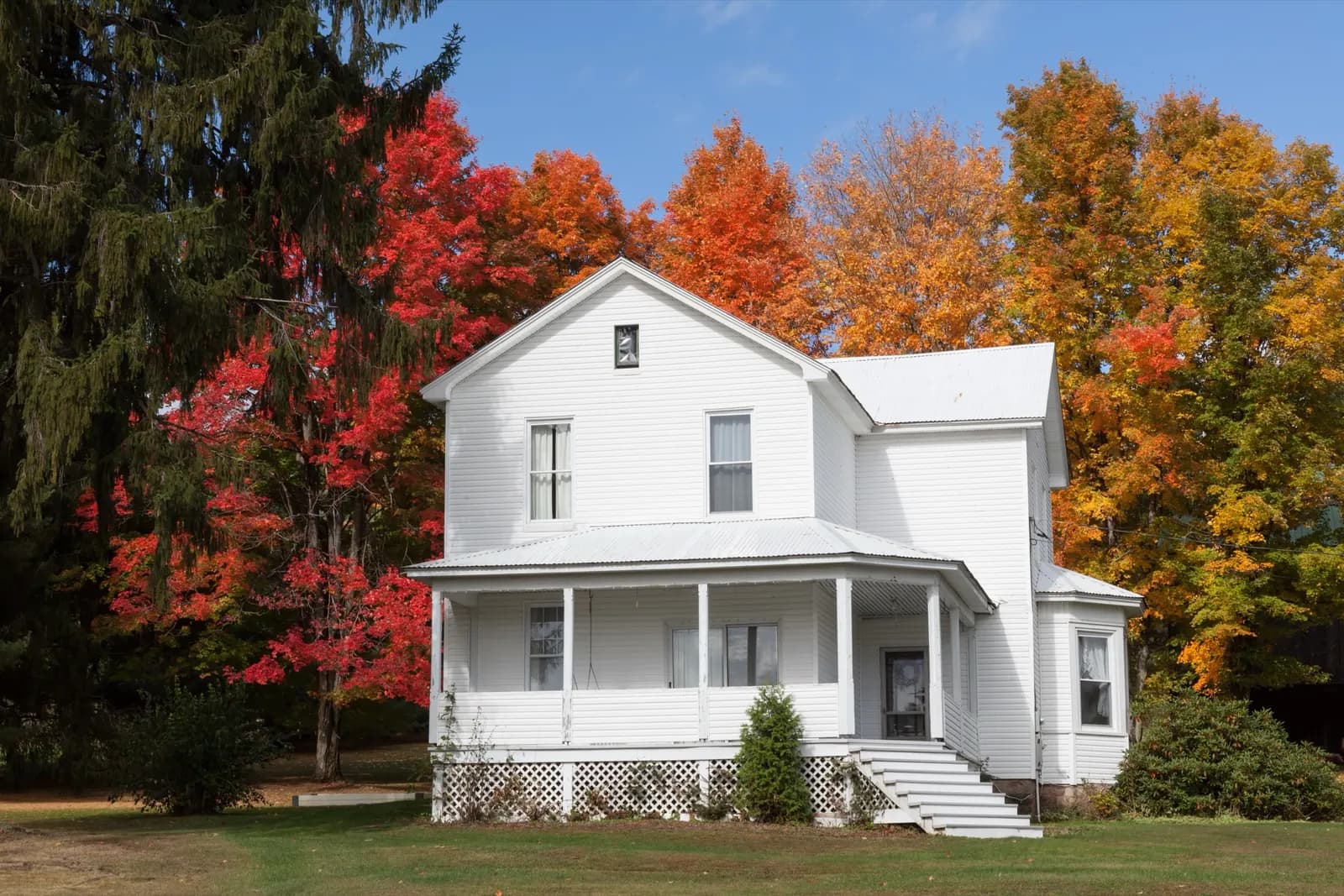
Cambridge has some of the most varied housing in Massachusetts. In a ten-minute walk you can pass an ornate Victorian near Harvard Square, a row of triple-deckers in Cambridgeport, a brick apartment block on Massachusetts Avenue and a converted commercial building near Kendall Square. Each one ages differently, and each one asks something different of a paint job.
This guide is for Cambridge homeowners, condo associations and small landlords who are planning interior or exterior painting. It covers the house styles you are likely working with, how to pick colors that fit, when the weather cooperates, how access and parking change the plan, what to know about lead paint and which questions help you compare painters. If you want someone to look at your building in person, Blessed Partners & Paint Group offers a free estimate for every project.
Know which kind of Cambridge building you have
Most of Cambridge was built out between the mid nineteenth century and the 1920s, so wood-frame houses dominate many residential streets. Mid-Cambridge, the area around Porter Square and the streets off Brattle Street include Queen Anne, Second Empire and Colonial Revival homes with shingles, brackets, bay windows and multiple layers of trim.
Cambridgeport, North Cambridge, East Cambridge and parts of the Inman Square area are known for two-family houses and triple-deckers. These buildings are tall, often three full stories with stacked front porches, and many have been converted to condos. Some have vinyl or other replacement siding over the original clapboard, but nearly all still have painted wood porches, railings, window trim and doors.
Then there are masonry apartment buildings and mixed-use blocks with shops on the ground floor, where interiors mean corridors, stairwells and common areas. Knowing which category your property falls into is the first step to an honest scope.
Choosing colors for Victorians and triple-deckers
Victorian homes give you the most room to play. Historically, many were painted in deeper, earthier body colors with two or three trim tones that picked out brackets, window casings and porch details. Today, schemes like a muted green body with cream trim and a dark accent on the window sash still look right on these houses, and so does a simpler approach with one body color and one trim color.
Triple-deckers often look best with a calm body color and crisp, consistent trim, because the building is already tall and visually busy with three levels of porches. Painting the porch ceilings a pale color keeps them bright, and a darker, durable color on porch floors hides wear from boots and snow shovels.
In a condo building, color is a group decision. It helps to paint large sample swatches on the actual building, view them at different times of day and share photos with every owner before the vote.
Historic districts and approvals
Cambridge has historic districts and neighborhood conservation districts, and properties inside them can have rules about exterior changes. Requirements depend on the district and the property, and repainting a house is treated differently from replacing siding, windows or trim.
Before you change colors or materials on an older home, check with the City of Cambridge about your specific address. A short call early can save you from redoing work later.
When to paint in Cambridge
Exterior painting in the Boston area generally runs from late spring to early fall. Most exterior coatings need air and surface temperatures above a minimum, often around 50 degrees, while they cure, and they should not go on when rain or heavy dew is expected within a few hours. Some products are rated for cooler conditions, so check the label for the paint being used.
In a dense city, shade matters as much as the calendar. A wall that faces a neighbor a few feet away may never get direct sun, so it dries slowly in the morning and can stay damp for a day after a storm. Street-facing elevations that take afternoon sun dry fast and can get too hot for good paint flow in July. A sensible schedule works around both.
Interior painting, cabinet work and drywall repair can be done any month, often in winter or between tenants.
Access, parking and neighbors
This is where Cambridge projects differ most from suburban ones. Lots are small, driveways are shared or missing, and resident permit parking covers much of the city. A painting crew needs room for ladders or staging, a place to keep materials and a way to park work vehicles legally. Ask how the painter plans to handle this, and check with the city about any permits needed for work vehicles or for using the sidewalk or street.
Close neighbors also mean protection matters. Overspray, paint chips and dust can land on the house next door, a parked car or a garden. A good plan includes drop cloths, plastic sheeting where needed and daily cleanup, and it helps to let neighbors know when exterior work will start.
Lead paint in older Cambridge homes
Lead-based paint was banned for residential use in 1978, and the large majority of Cambridge's housing is older than that. Intact lead paint is generally not an immediate hazard, but scraping, sanding or heat-stripping it releases dust and chips that are dangerous, especially for young children and pregnant women.
Federal EPA rules require contractors who disturb painted surfaces in pre-1978 housing to follow lead-safe work practices. Massachusetts also has its own Lead Law, with added requirements when children under six live in the home, which matters for many rental units. Ask any painter how they handle containment, cleanup and waste, and look up current guidance from the Massachusetts Department of Public Health.
Prep that holds up on tall wood houses
On an older Cambridge exterior, the finish coat is only as good as the prep. A thorough job usually includes washing the surfaces, scraping loose paint, sanding feathered edges, repairing or replacing rotted wood, spot priming bare areas and caulking open joints around windows and trim.
Pay special attention to porches. Floors, stair treads, railings and the tops of balusters take standing water and foot traffic, and they usually fail before the siding. If the same spot peels year after year, look for a moisture source, like a clogged gutter, a missing drip edge or a bathroom vent, before repainting.
Questions to ask before hiring
Ask for a written scope that lists every surface, the number of coats, the type of primer and paint category (acrylic latex for most siding, oil-based or alkyd primers on certain trim) and how the property and neighbors will be protected. For condos, ask whether the scope can be shared with each owner or the board.
Also ask how hidden repairs are handled, how weather delays are communicated and what cleanup looks like each day. Blessed Partners & Paint Group serves Cambridge with interior, exterior, cabinet and commercial painting, drywall repair and deck and fence staining. To talk through your building, call or text (781) 420-3172 for a free estimate.
Frequently asked questions
- How much does it cost to paint a house in Cambridge?
- As a rough guide, Cambridge exterior projects tend to run higher than in the suburbs because buildings are taller, porches are stacked and access takes more planning. Cost depends on size, condition, prep, number of colors and access. A free estimate on your actual building is the only reliable number.
- Can a condo association hire one painter for the whole building?
- Yes, and it is common in Cambridge. One exterior scope for the full building keeps colors and prep consistent. The association can share the written estimate with every owner before voting.
- Do I need a permit to paint my house in Cambridge?
- Repainting usually does not need a building permit, but properties in historic or conservation districts may have rules for exterior changes, and work vehicles or sidewalk use can need city permission. Check with the City of Cambridge for your address.
Related services
Serving
Found this helpful? Make us a preferred source on Google.
Ready for an exact price?
Get a free, no-pressure in-home estimate. Real numbers for your home, not a phone guess.