
House Painting in Concord, MA: Caring for Historic and Village Homes
· By Barreto Lima
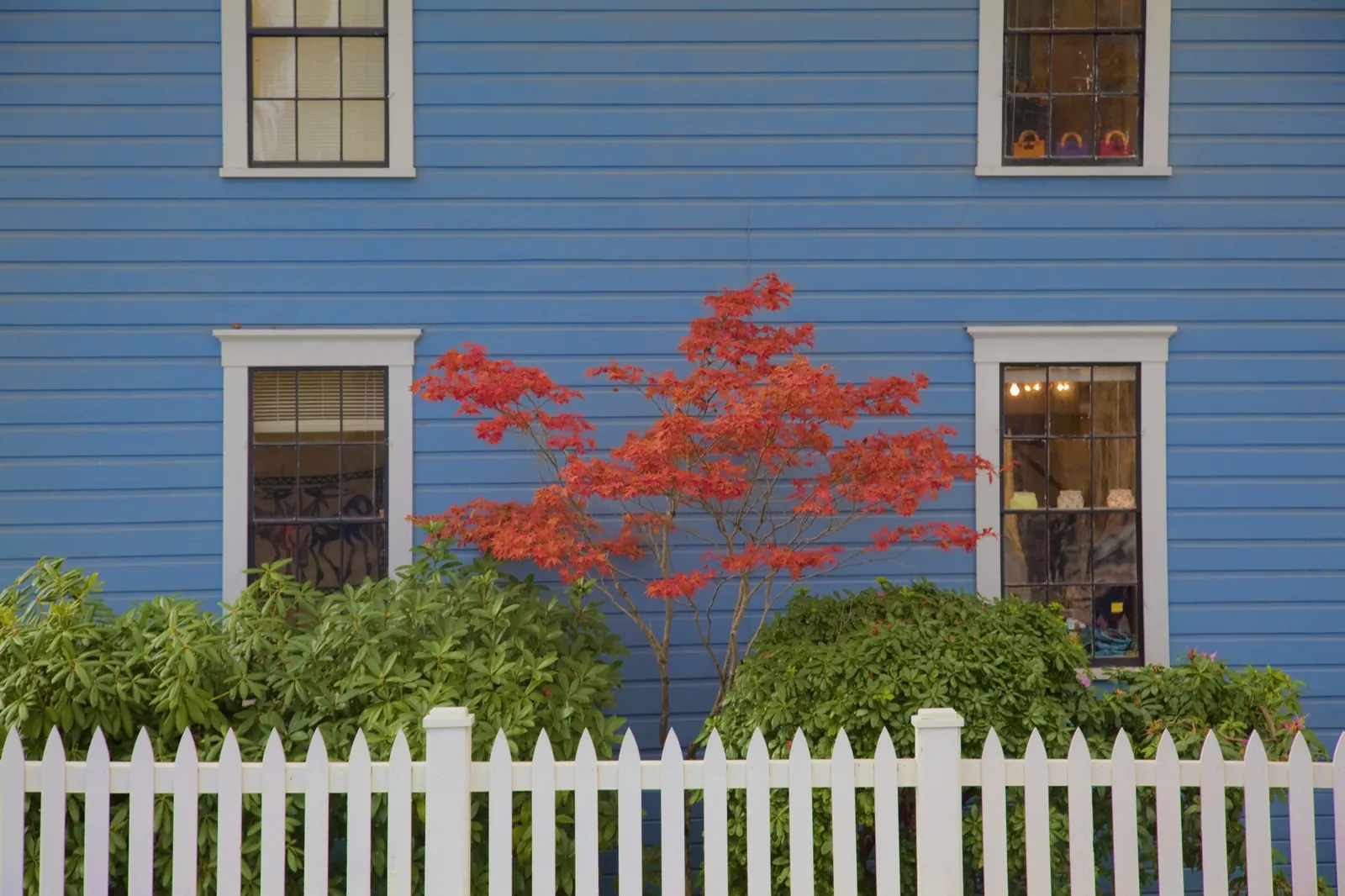
Concord is a place people visit for its history: the Old North Bridge, the homes of famous writers, Walden Pond and a town center that still looks much like it did generations ago. For the people who live here, that history shows up in their own houses, many of which have wood clapboard, original trim and windows that have been painted many times over.
Painting a Concord home well takes a little more thought than picking a color. This guide covers the house styles you find around town, how to choose colors that fit, what prep antique wood needs, how the rivers and wetlands affect paint, what to know about historic districts and lead paint, and when to schedule exterior work. Blessed Partners & Paint Group offers a free estimate on every project if you would like your own house looked at.
The houses of Concord
Concord Center, Main Street and Lexington Road hold many of the town's oldest homes: colonials, Federal houses, Greek Revival homes and nineteenth century farmhouses. These houses usually have wood clapboard, wide corner boards, cornices, paneled doors and older windows with divided lights.
West Concord grew around the railroad and its mills and has its own village character, with Victorians, workers' houses, bungalows and early twentieth century homes. Farther from both centers, and out toward Nine Acre Corner and the edges of town, you find capes, ranches, colonials and newer homes on wooded or open lots.
Each type has its own needs. An antique house might have several trim elements worth their own color decision and wood that has been painted ten or more times. A 1970s colonial might be mostly siding with painted trim, doors and shutters. Knowing which you have helps you scope the job honestly.
Choosing colors for a historic town
On Concord's older homes, the classic New England palette is usually the safest place to start: white, cream, pale yellow, soft gray or a muted tan body, black or deep green shutters and a front door in a strong traditional color like deep red, navy or black.
Greek Revival houses are often painted white or a light color to suggest stone, while Federal homes look good in lighter, warmer tones with crisp trim. Victorians in West Concord can carry deeper body colors with two or three trim colors that highlight their detail. Newer homes have more freedom, though muted colors usually age better under New England light than bright, cool ones.
Buy sample quarts and paint large swatches on two sides of the house. Look at them in morning and late afternoon light, and compare them with the neighboring houses, since on a street of older homes a color that fits the block often looks better than one chosen in isolation.
Historic districts: check before you change
Parts of Concord fall within local historic districts. In those areas, some exterior changes may need review before they happen, and what is covered can vary. Repainting in the same color is often treated differently from a color change, replacing windows or altering trim, but the details depend on the district and the property.
The simplest approach is to check with the Town of Concord for your specific address before you finalize colors or plan any changes to doors, windows, trim or siding. A quick call early in planning can save delays later.
Prep on antique clapboard and trim
On old wood, the prep decides how long the paint lasts. A thorough job usually includes washing the siding, scraping loose paint, sanding edges so they do not show through, repairing or replacing soft wood, priming bare spots and caulking open joints around windows and trim.
Thick old paint layers are common on Concord's antique homes. As wood swells and shrinks through freeze and thaw, those layers can crack and lift together. When failure is widespread, more aggressive paint removal may be needed on some areas, which takes more time and care, especially on homes with lead paint underneath.
Window sills, the bottom edges of clapboards and the end grain of corner boards are usually where failure starts. If peeling keeps returning in the same spot, look for a moisture source, such as a gutter, a missing piece of flashing or a bathroom vent, and fix that before repainting.
Inside, older homes often have plaster walls with hairline cracks, nail pops and uneven surfaces. Patching, skim coating where needed and sanding glossy trim are part of a good interior prep.
Rivers, wetlands and moisture
The Sudbury and Assabet rivers meet in Concord to form the Concord River, and the town has meadows, wetlands and ponds along those waterways. Homes close to them, and homes under big shade trees, can stay damp after rain and fog. Damp siding grows mildew and loses paint faster, especially on the north side.
Cleaning and treating mildew before painting gives the new coat a clean surface to bond to. Keeping gutters clear, directing downspouts away from the house and trimming plants back from the siding all help the walls dry between storms.
Lead paint in older homes
Lead-based paint was banned for residential use in 1978, and a large share of Concord homes were built before then. Intact lead paint is generally not a hazard on its own, but scraping and sanding it create dust and chips that can be dangerous, especially for young children and pregnant women.
Federal EPA rules require contractors who disturb painted surfaces in pre-1978 homes to follow lead-safe work practices, and the Massachusetts Lead Law adds requirements when children under six live in the home. Ask any painter how they handle containment, cleanup and disposal, and look up the current guidance from the Massachusetts Department of Public Health.
When to paint, and what to ask
Exterior painting in eastern Massachusetts generally runs from late spring through early fall. Most exterior paints need air and surface temperatures above a minimum while curing and should not be applied before rain or heavy dew. September is often a good month, with steady temperatures and lower humidity. Interior work, cabinets and drywall repair can happen year round.
When you compare estimates, ask which surfaces are included, what prep is planned, how many coats will be applied and what primer and paint category will be used, such as acrylic latex for siding or an alkyd product for some trim. Ask how original details will be treated, how repairs are handled and what cleanup looks like each day.
As a rough guide, cost depends on the size of the house, the amount of trim and detail, the condition of the surfaces and how much prep and repair are needed. The most reliable figure comes from a free estimate on your actual home. Blessed Partners & Paint Group is based in Andover and serves Concord; call or text (781) 420-3172 to set one up.
Frequently asked questions
- Do I need permission to paint my house in Concord?
- For most homes, no. Properties in local historic districts may need review for some exterior changes, and rules vary. Check with the Town of Concord for your address before changing colors or details.
- How often should an antique Concord home be painted?
- It depends on the wood, sun and shade, moisture and how well the last job was prepped. Many painted wood exteriors in New England need attention every several years, and south and west walls usually wear first.
- Is it better to scrape or strip old paint?
- Most jobs only need loose paint scraped and edges sanded. When old layers are failing across large areas, more removal may be needed. On pre-1978 homes, any removal should follow lead-safe practices.
- Can I paint the inside of my Concord home in winter?
- Yes. Interior painting, cabinet painting and drywall or plaster repair can be done any time of year, which is why many homeowners plan inside work for the colder months.
Related services
Serving
Found this helpful? Make us a preferred source on Google.
Ready for an exact price?
Get a free, no-pressure in-home estimate. Real numbers for your home, not a phone guess.