
Painting a Lincoln, MA Home: Farmhouses, Mid-Century Moderns and Everything Between
· By Barreto Lima
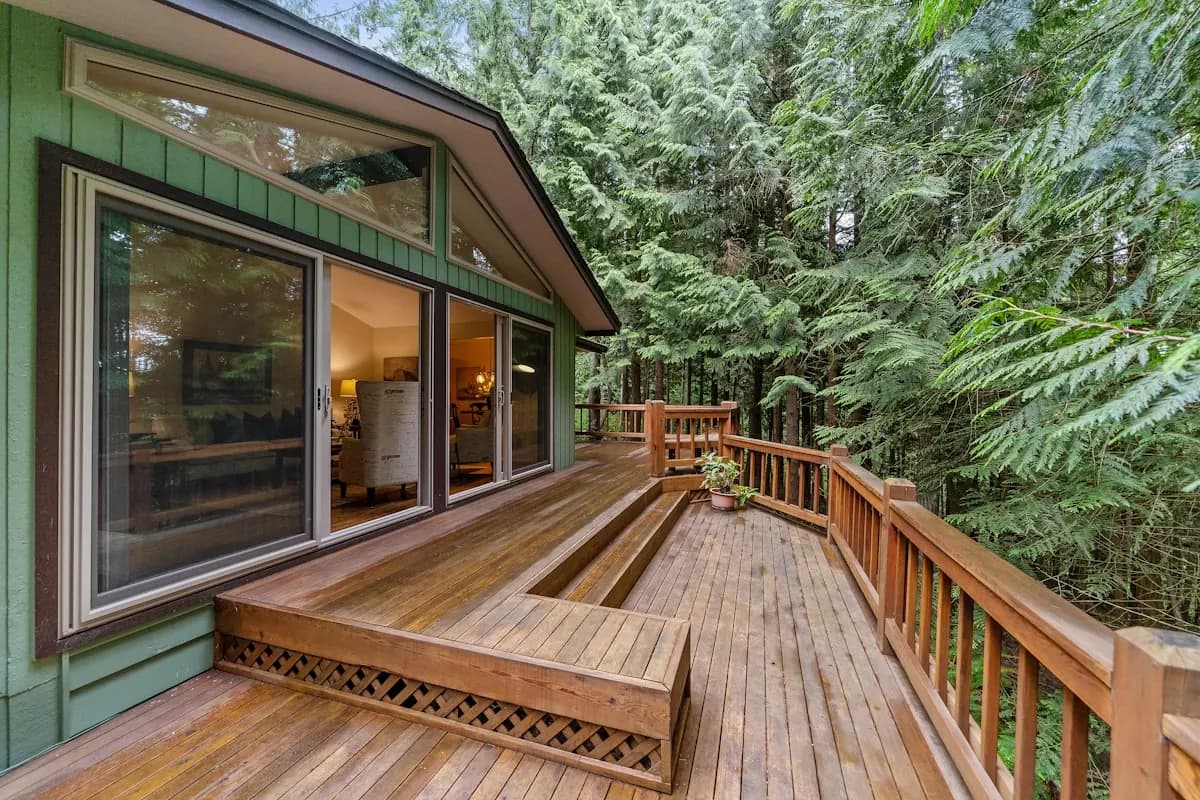
Lincoln is a small town with an unusual mix of houses. Old farmhouses and colonials sit near fields and stone walls, while mid-century modern homes with flat roofs and glass walls are tucked into the woods. Much of the land around them is conservation land, farms and forest, which makes Lincoln one of the greenest places near Boston.
That variety means there is no single right way to paint a Lincoln house. This guide walks through the main home types, the paint versus stain question on modern houses, how woods and water affect exterior coatings, when to schedule work and what to ask a painter. Blessed Partners & Paint Group offers a free estimate on every project if you want an opinion on your own home.
Know what kind of house you have
Lincoln's older homes include farmhouses, colonials and houses that grew over time with ells, barns and additions. They usually have wood clapboard, simple but solid trim and older windows. Painting them well is mostly about prep: removing loose paint, sanding, priming bare wood, repairing soft spots and caulking joints.
The town is also known for mid-century modern architecture. Walter Gropius built his own house in Lincoln, now open to visitors as the Gropius House, and the town has neighborhoods of contemporary homes from the decades after World War II. These houses often feature vertical board siding, wide overhangs, exposed beams and long runs of window trim.
Then there are later homes: capes, colonials and custom builds from the late twentieth century onward. Knowing which category your house falls into tells you a lot about the products, prep and colors that make sense.
Paint or stain on a modern house?
This is the most common question on Lincoln's modern homes. Many of them were designed with wood siding that was stained or left to weather, while fascia, window frames and some panels were painted. Over the years, owners may have switched some surfaces to paint, which changes what can be applied next.
Semi-transparent stain lets wood grain show and soaks into the surface rather than forming a film, so it tends to wear by fading instead of peeling. Solid stain hides more of the grain but still looks closer to wood than paint does. Paint forms a film that offers strong color and protection, but once wood has been painted, going back to a natural stain usually means stripping.
Before deciding, look closely at what is on each surface now. A painter should test adhesion, check for old film coatings and explain the trade-offs. On architecturally significant houses, many owners lean toward keeping the original intent of the design, which often means stain on siding and paint on trim.
Colors that suit Lincoln
Farmhouses and colonials look at home in traditional colors: white, cream, barn red, muted yellow or soft gray, with dark shutters or simple white trim.
Modern houses usually call for a quieter, more natural palette. Earthy browns, deep grays, warm charcoals and muted greens sit well against the woods, with trim either matching the body or picked out in a darker tone. Bright accent colors were sometimes used on doors or panels, and a single strong color can work well when it echoes the original design.
Lincoln's tree cover makes colors look darker and cooler than they appear on a sample card. Paint large swatches on the shaded side as well as the sunny side and check them in morning and late afternoon light before deciding.
If your property may be subject to local review for exterior changes, check with the Town of Lincoln before committing to a new color scheme. Rules vary by property.
How woods, ponds and wetlands affect paint
With so much forest and water around, from Flint's Pond to the wetlands near Walden Woods, many Lincoln homes stay damp for long stretches. Siding that dries slowly grows mildew and algae, and paint on those walls is more likely to soften and peel.
Exterior prep here should start with cleaning. Washing the siding and treating mildew gives the new coating a clean surface to bond to. Clearing gutters and making sure water drains away from the house helps too, since overflowing gutters and splash-back keep the lower siding wet.
Modern houses add a few specific weak points. Flat or low-sloped roofs can send water down fascia if drainage or flashing is not working well, and exposed rafter tails and beam ends catch rain on their end grain. These areas often need repair or sealing before any finish goes on, and they are worth checking closely during an estimate.
When to paint in Lincoln
Exterior work in eastern Massachusetts usually happens from late spring to early fall, when surfaces are dry and temperatures stay above the minimum the coating needs to cure. Product labels list those limits, and some products are made for cooler conditions.
On wooded lots, the usable part of each day can be shorter because dew lingers on shaded walls. Early fall is often a good stretch: steady temperatures, lower humidity and drier mornings. By late October the window narrows as nights get colder.
Interior painting, cabinet painting and drywall or plaster repair can be done any time of year, so many Lincoln homeowners plan inside work for winter.
Lead paint and older Lincoln homes
Homes built before 1978 may have lead-based paint under newer layers. Intact paint is generally not a hazard on its own, but scraping and sanding create dust and chips that can be harmful, especially to young children and pregnant women.
Federal EPA rules require lead-safe work practices for contractors disturbing paint in pre-1978 homes, and the Massachusetts Lead Law adds requirements when children under six live in the home. If your house is older, ask any painter how containment, cleanup and disposal will be handled, and review current guidance from the Massachusetts Department of Public Health.
Questions to ask a painter
Ask which surfaces get paint and which get stain, and why. Ask how mildew and cleaning will be handled, what prep is planned, how many coats will be applied and what primer and paint category will be used, such as acrylic latex or an alkyd product for certain trim.
Ask how the property will be protected, especially gardens, walkways and interior floors, how wood repairs found during the job are handled and how weather delays are managed.
As a rough guide, cost depends on the size of the home, the amount of trim and detail, the condition of the surfaces and how much repair is needed. The most reliable number comes from a free estimate on your actual house. Blessed Partners & Paint Group is based in Andover and serves Lincoln; call or text (781) 420-3172 to set one up.
Frequently asked questions
- Can I go back to stain after my wood siding was painted?
- Usually not without stripping the paint, because stain needs bare wood to soak into. Solid stain can sometimes go over old coatings, but it behaves more like paint. A painter should test the surface before recommending an approach.
- Why does my shaded Lincoln house get green streaks on the siding?
- Green streaks are usually algae or mildew growing on surfaces that stay damp. Shade from trees and nearby water keep siding wet longer. Cleaning, treating the growth and improving drainage help, and the area should be clean before painting.
- What colors work on a mid-century modern house?
- Natural, earthy tones such as warm grays, browns, charcoals and muted greens tend to suit modern houses in wooded settings, with one bold accent if you want it. Testing large samples in your own light is the best way to decide.
- How much does it cost to paint a house in Lincoln?
- It depends on the size of the home, the surfaces involved, the prep and repair needed and whether stain or paint is used. A free estimate based on your house gives the most reliable figure.
Related services
Serving
Found this helpful? Make us a preferred source on Google.
Ready for an exact price?
Get a free, no-pressure in-home estimate. Real numbers for your home, not a phone guess.