
House Painting in Lynnfield, MA: A Homeowner's Planning Guide
· By Barreto Lima
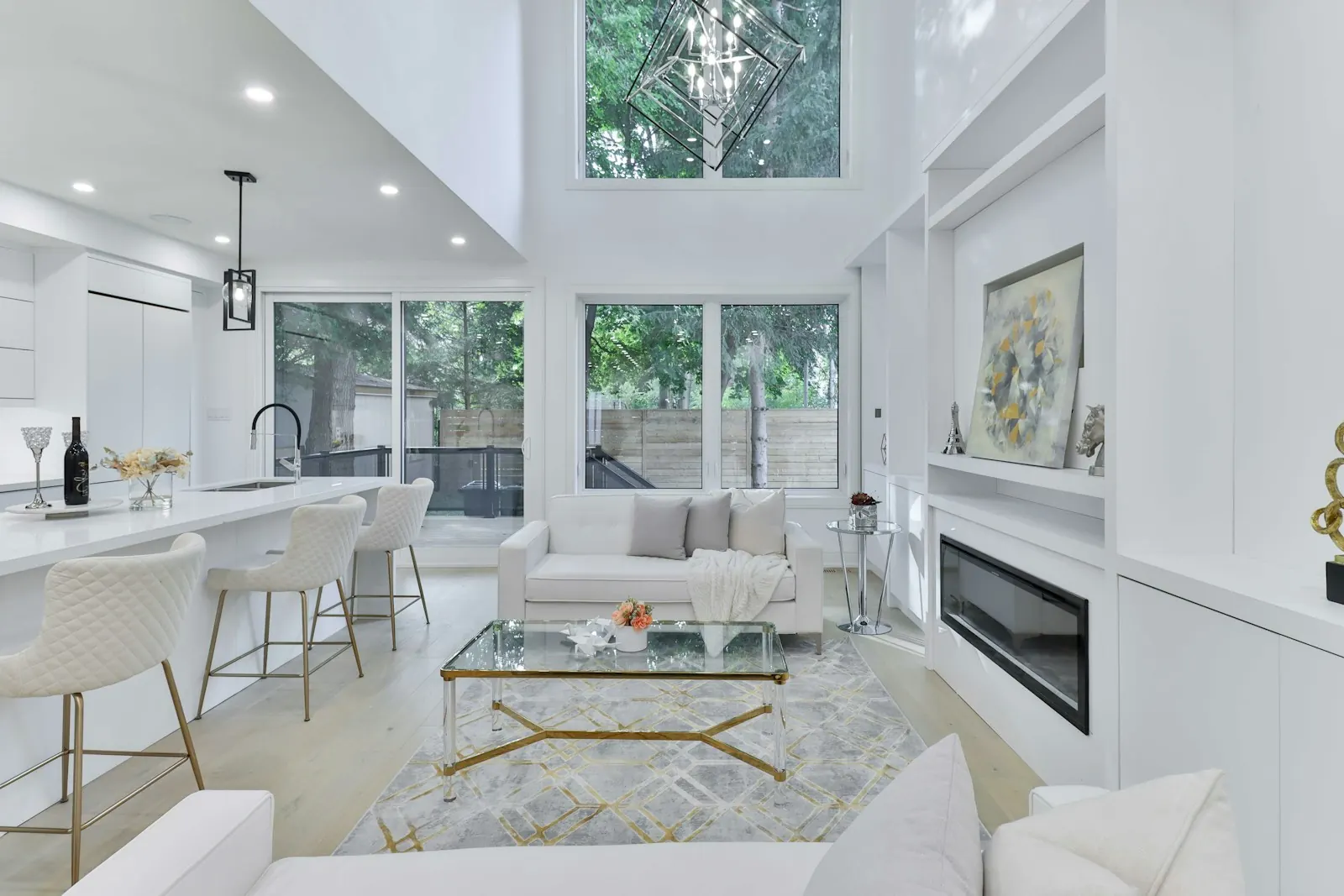
Lynnfield is a town of mature trees, quiet streets and houses that families keep for decades. Between Lynnfield Center, South Lynnfield and the neighborhoods around Pillings Pond and Suntaug Lake, most homes sit on leafy lots, and many were built in the years after World War II. That setting gives local painting projects a particular shape: shade and moisture outside, and rooms that are ready for an update inside.
This guide covers what Lynnfield homeowners usually ask before they paint: how tree cover affects exterior paint, which colors suit the town's colonials and capes, when the weather cooperates, why prep matters so much, what to know about lead paint and how to compare estimates. If you want someone to look at your own house, Blessed Partners & Paint Group offers a free estimate on every project.
Living with shade: mildew, moisture and slow drying
The trees that make Lynnfield attractive also keep a lot of houses in shade for much of the day. Siding that does not see much sun stays damp after rain and dew, and that moisture feeds mildew, algae and moss. You will often notice gray or green streaks on north-facing walls, under deep eaves and along the bottom few courses of siding near shrubs.
Painting over mildew without cleaning it first is one of the most common reasons a new exterior coat fails early. A good exterior job starts with a thorough wash, a mildew treatment where needed and enough drying time before any primer goes on. It also helps to trim back branches and plants that touch the house, so air can move along the walls.
Check your gutters and downspouts too. Overflowing gutters, which are common when leaves pile up in the fall, soak the fascia and the siding below. If peeling keeps coming back in the same place, a moisture source like that is usually behind it.
Colors that suit Lynnfield's colonials, capes and ranches
Many Lynnfield streets are lined with garrison colonials, center-entrance colonials, capes and ranches. These styles look natural in classic New England palettes: white, cream, soft gray, muted blue or a gentle sage for the body, with white or off-white trim and black, dark green or navy shutters. A deep red, black or navy front door gives the house a focal point without overwhelming it.
Shade also changes how colors read. A color that looks bright in the paint store can look darker and cooler on a wall that rarely gets direct sun. On heavily wooded lots, many homeowners lean slightly lighter and warmer than they first planned, so the house does not disappear into the trees.
For larger newer homes, two-tone schemes are popular: a mid-tone body, a lighter trim and a darker accent on shutters, doors or a garage door. Whatever you pick, paint large sample swatches on at least two sides of the house and look at them in the morning and late afternoon before you commit.
The area around Lynnfield Common has older homes with real historic character. If you own one, it is worth checking with the Town of Lynnfield about any rules that might apply to exterior changes before you finalize a color scheme.
Timing a Lynnfield painting project
Exterior painting in this part of Massachusetts usually runs from late spring into early fall. Most exterior paints need air and surface temperatures above a minimum, often around 50 degrees, while the coating cures, and no rain or heavy dew for several hours after application. The product label is the final word, since some formulas are rated for cooler conditions.
On shaded lots, the practical painting day is shorter. Walls may not dry from the morning dew until late morning, and they cool off early in the evening. That makes midday the best window for exterior coats, and it is one more reason late summer and early fall, with lower humidity, are often ideal.
Interior painting, cabinet painting and drywall repair can be done any time of year. Many Lynnfield homeowners plan inside work for the colder months and keep the warm season for siding, trim, decks and fences.
Prep: the part of the job you cannot see later
On a house from the 1950s through the 1980s, the siding and trim may carry several layers of paint. Good prep usually means washing, scraping loose paint, sanding the edges smooth, repairing or replacing soft wood, priming bare spots and caulking open joints around windows, doors and corner boards. Skipping any of these steps tends to show up within a season or two.
Inside, prep means filling cracks and nail pops, repairing damaged drywall or plaster, sanding glossy trim so new paint can grip and protecting floors, furniture and stairs.
When you compare estimates, read how each one describes prep. Two numbers can be far apart simply because one includes careful preparation and repairs and the other does not. A clear, written scope is the best way to compare painters fairly.
Lead paint in older homes
Lead-based paint was banned for residential use in 1978, and many Lynnfield homes were built before that. Intact lead paint is not usually a hazard on its own, but scraping and sanding it can create dangerous dust and chips, especially for young children and pregnant women.
Federal EPA rules require contractors who disturb painted surfaces in pre-1978 homes to follow lead-safe work practices, and Massachusetts has its own Lead Law with additional requirements when children under six live in the home. If your house is older, ask any painter how they handle containment, cleanup and disposal, and review current guidance from the Massachusetts Department of Public Health.
What to ask before hiring a painter in Lynnfield
Ask exactly which surfaces are included, how many coats are planned, what type of primer and paint category will be used (acrylic latex for most siding and walls, oil-based or alkyd for some trim and doors) and how the property and landscaping will be protected.
Ask how mildew and moisture problems will be handled before painting, how repairs found during the job are approved, who your point of contact is and what cleanup looks like each day. For older homes, ask about lead-safe practices.
Blessed Partners & Paint Group is based in Andover and serves Lynnfield along with nearby towns like Middleton, North Reading and Reading. Services include interior and exterior painting, cabinet painting, drywall repair, deck and fence staining and commercial painting. Call or text (781) 420-3172 to set up a free estimate.
Frequently asked questions
- How do I keep mildew from coming back on my Lynnfield house?
- Clean and treat the mildew before painting, let the siding dry fully, trim plants and branches away from the walls and keep gutters clear. A paint suited to damp conditions also helps. Shaded walls will always need a little more maintenance than sunny ones.
- How often should a house in Lynnfield be repainted?
- It depends on the siding, the quality of the last job and how much sun and shade each wall gets. Many painted wood exteriors in New England need attention every several years. Peeling, chalking, open caulk joints and mildew are the signs to watch.
- What does house painting in Lynnfield cost?
- As a rough guide, cost depends on the size of the home, the condition of the surfaces, the amount of prep and repair, access and how many colors are involved. The most reliable number comes from a free estimate based on your actual house.
- Can interior painting be done in winter?
- Yes. Interior painting, cabinet painting and drywall repair do not depend on outdoor weather, so winter is a good time to schedule them and keep the warm months for exterior work.
Related services
Found this helpful? Make us a preferred source on Google.
Ready for an exact price?
Get a free, no-pressure in-home estimate. Real numbers for your home, not a phone guess.