
House Painting in Newton, MA: A Guide for Homeowners in Every Village
· By Barreto Lima
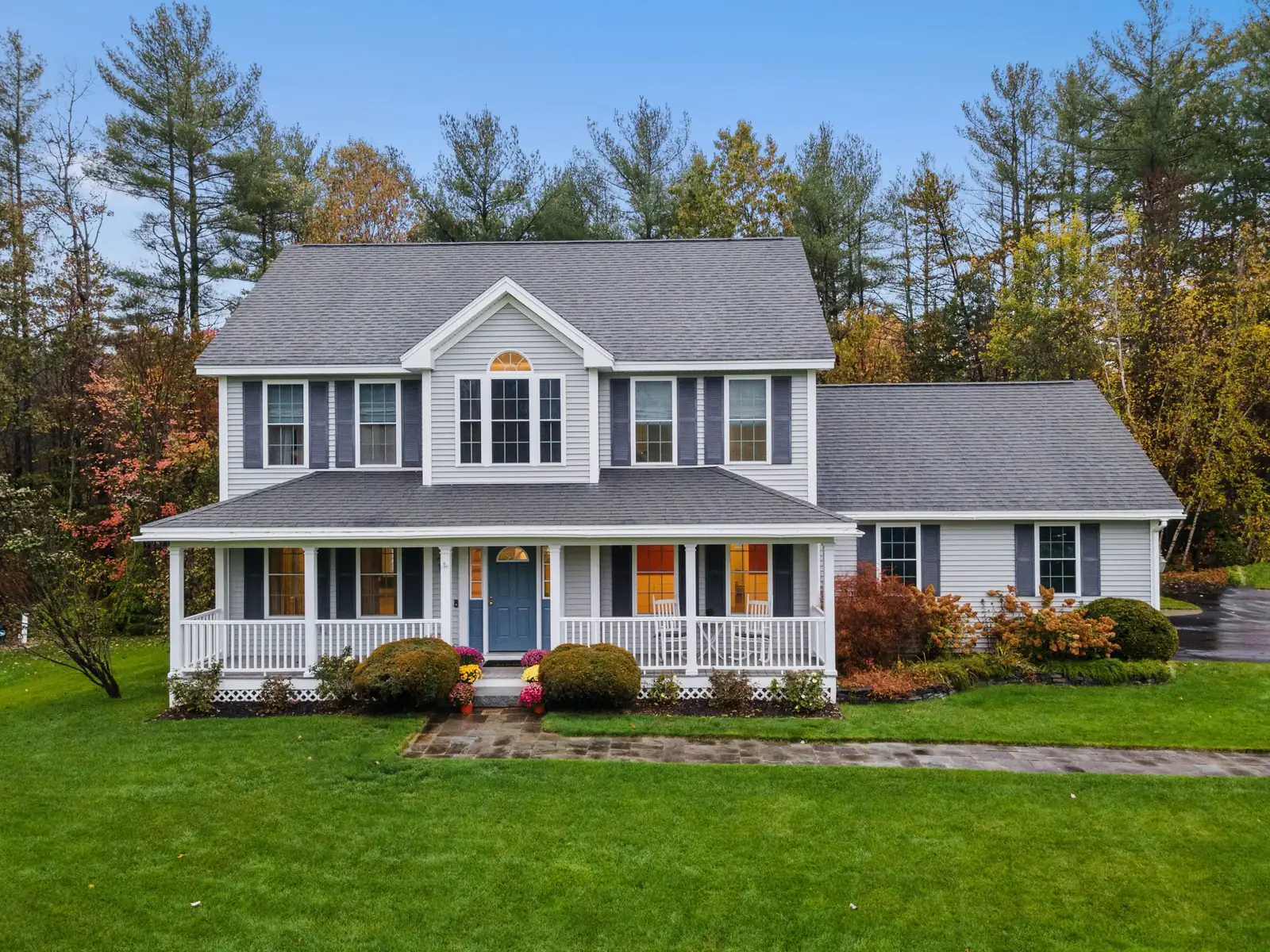
Newton is often called the Garden City, and walking through any of its villages makes the nickname easy to understand. Big trees, deep front yards and houses from almost every era of American residential building line the streets from Auburndale to Chestnut Hill. For homeowners, that variety is part of the appeal, and it also means there is no single right way to paint a Newton house.
This guide covers what usually comes up before a painting project in Newton: the house styles you are likely working with, how to pick colors that suit them, when the weather cooperates, what to do about plaster and old trim, the basics of lead paint in older homes and how to read an estimate. If you would like someone to look at your own house, every project with Blessed Partners & Paint Group begins with a free estimate.
Know which Newton you live in
Newton is made up of villages, and each one developed at a slightly different time. West Newton, Newtonville and Auburndale grew around stations on the Boston and Albany railroad in the 1800s, so they hold many Italianate, Second Empire and Queen Anne Victorians. Newton Centre and Newton Highlands filled in as rail and trolley service expanded, adding Shingle Style houses and early Colonial Revivals.
Waban and Chestnut Hill saw a wave of building in the early twentieth century, with Tudor Revivals, brick and stucco homes and larger Colonials on curving streets. Oak Hill and parts of the southern end of the city were built out later, after World War II, with Capes, ranches, split-levels and garrison Colonials. Newton Upper Falls and Lower Falls, along the Charles River, have older mill-era houses mixed in with newer ones.
Why does this matter for paint? Because the surfaces, the trim and the amount of prep all follow the style. A Queen Anne with spindlework and several trim profiles is a different job from a 1950s ranch with vinyl siding and painted shutters, even if both are on the same block.
Colors that suit Victorian, Tudor and Colonial homes
For Victorians, multi-color schemes are historically accurate and usually look right on Newton's streets. A common approach is a muted body color such as sage, olive, warm gray or deep red, a lighter trim color, and a third accent for sash, brackets or doors. The trick is restraint: three well-chosen colors read as intentional, while five or six can look busy.
Tudor Revival homes tend to work with what they already have. Stucco panels often look best in creamy off-whites or soft tans, with half-timbering in a dark brown, near-black or deep green. Window sash and doors can carry the accent. Brick Tudors and Colonials usually only need trim, doors, windows and shutters painted, so pick colors that flatter the brick tone rather than fight it.
Whatever the style, test before you decide. Paint large sample patches on more than one side of the house and look at them at different times of day. Newton's tree cover makes this especially important, since a color in full shade can look several shades darker than the chip.
Historic districts and checking before you change
Most Newton homeowners can repaint in any color they like. Some properties, however, sit within local historic districts or carry other designations where exterior changes may need review. Rules and what they cover can vary, so the safest move is to contact the City of Newton about your specific address before you commit to a new scheme.
When to schedule painting in Newton
Exterior painting in eastern Massachusetts generally runs from late spring into early fall. Most exterior paints need the air and surface temperature to stay above a minimum, often around 50 degrees, while the coating cures, and they should not go on when rain or heavy dew is expected soon after. Product labels list the exact limits.
In Newton, shade adds a wrinkle. Walls under heavy tree cover can stay damp well into the morning, so painters often start on sunnier sides and move to shaded ones once they have dried. Late summer and September are frequently the most reliable stretch, with warm days, lower humidity and fewer storms.
Interior painting, cabinet painting and drywall or plaster repair can be done in any season. A lot of homeowners plan inside work for winter and book the exterior for the warmer months.
Plaster, trim and the prep that decides the result
Many Newton homes still have original plaster walls and ceilings. Plaster is durable, but it develops hairline cracks, loose areas where the keys behind it have failed and patches from past repairs. Before painting, cracks are opened and filled, loose sections are secured or repaired, and patched areas are primed so the finish looks even. Additions and finished basements are usually drywall, which brings its own nail pops and seam cracks.
On the outside, prep on old wood siding typically means washing, scraping loose paint, sanding edges, replacing soft or rotted wood, spot priming and caulking joints around windows and trim. Paint that keeps peeling in the same place often points to moisture, such as a leaking gutter, a missing drip edge or a bathroom vent, and that should be fixed before repainting.
Lead paint in older Newton homes
Lead-based paint was banned for residential use in 1978, and a large share of Newton's houses were built long before that. Intact lead paint is generally not a hazard by itself, but scraping, sanding or cutting into it creates dust and chips that can be harmful, especially to young children and pregnant women.
Federal EPA rules require contractors who disturb painted surfaces in pre-1978 homes to follow lead-safe work practices, and Massachusetts has its own Lead Law with additional requirements when a child under six lives in the home. If your house is older, ask any painter how they handle containment, cleanup and disposal, and review current guidance from the Massachusetts Department of Public Health.
What a good painting estimate should include
A useful estimate is specific. It should say which rooms or elevations are included, which surfaces (walls, ceilings, trim, doors, windows, siding), how many coats, what kind of primer and paint category (acrylic latex for most walls and siding, oil-based or alkyd primers for certain stains and trim) and how floors, furniture and landscaping will be protected.
Ask how hidden problems, like rotted trim discovered mid-job, will be handled and communicated. Ask about cleanup each day and at the end. For an exterior, ask how weather delays are managed.
Blessed Partners & Paint Group is based in Andover and serves Newton along with other communities north and west of Boston. It offers interior painting, exterior painting, cabinet painting, drywall repair, deck and fence staining and commercial painting. To talk through your project, call or text (781) 420-3172 for a free estimate.
Frequently asked questions
- How often does a Newton house need exterior painting?
- It varies with the siding, the exposure and the quality of the last job. Many painted wood exteriors in New England need attention every several years, with sunny south and west walls wearing first and shaded walls more prone to mildew.
- Can old plaster walls be painted without replacing them?
- Usually, yes. Cracks are filled, loose areas are secured or patched and the repairs are primed before painting. Replacing plaster is rarely needed just to get a good paint finish.
- Do I need permission to change my house color in Newton?
- For most homes, no. Properties in local historic districts or with other designations may need review for exterior changes. Check with the City of Newton for your address before you start.
- How much does house painting in Newton cost?
- Cost depends on the size of the home, its condition, the amount of prep and repair and the number of colors. As a rough guide, larger Victorian and Tudor homes with detailed trim take more time than simpler houses of the same size. A free estimate based on your actual house is the reliable way to know.
Related services
Serving
Found this helpful? Make us a preferred source on Google.
Ready for an exact price?
Get a free, no-pressure in-home estimate. Real numbers for your home, not a phone guess.