
Painting Your North Reading Home: Updating Ranches, Capes and Colonials
· By Barreto Lima
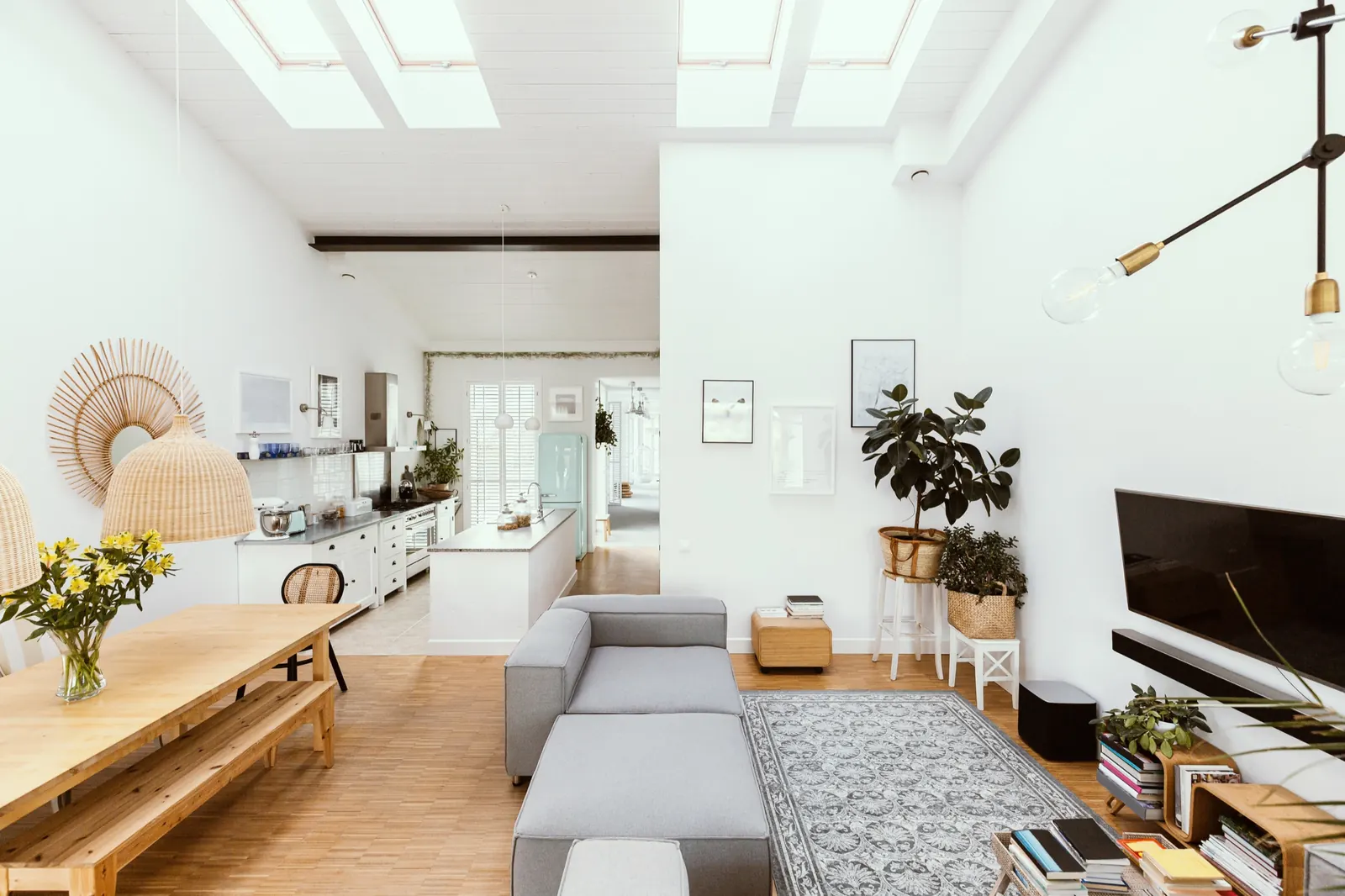
A lot of North Reading was built in a relatively short period after World War II, when families moved out from Boston and the town filled in with ranches, capes and split-levels. Decades later, many of those homes have new owners who want them to feel brighter, more open and better suited to how people live now. Paint is one of the most effective and affordable ways to get there.
This guide is for North Reading homeowners planning a paint project, whether it is a single room or the whole exterior. It covers how to update a mid-century interior, choosing exterior colors for simple house shapes, how the Ipswich River and the town's wooded areas affect exterior paint, when to schedule the work and what a solid estimate should include. Blessed Partners & Paint Group, based nearby in Andover, starts every project with a free estimate.
Bringing light into a mid-century interior
Many ranches and capes in town still have features from their original era: lower ceilings, smaller windows, dark stained trim and sometimes wood paneling in a den or basement. Those details are not a problem, but they can make rooms feel darker than they are. Light, warm neutrals on the walls and a slightly brighter white on the ceiling usually open a space up without making it feel cold.
Painting stained trim and paneling is one of the biggest visual changes you can make. It requires cleaning, light sanding and a bonding primer so the paint grips the old finish, followed by finish coats suited to trim. Done carefully, it turns a dated room into one that feels current, while keeping the character of the original woodwork.
Split-level homes have stairways and landings that connect several floors in a small footprint. Keeping wall colors consistent through those transitions helps the house feel larger. Those stairwells also tend to show cracks and nail pops where framing has settled, and repairing them before painting makes a noticeable difference.
Kitchens from earlier decades often have solid wood cabinets in good structural shape. Painting them, rather than replacing them, is a popular update. The work involves removing doors and hardware, degreasing, sanding, priming and applying a durable finish that can handle daily handling.
Exterior colors for simple house shapes
Ranches and capes have clean, simple forms, which gives you room to make color do more of the work. A mid-tone body color such as a soft gray, sage or muted blue, paired with crisp white trim, tends to suit these homes well. A darker body color can make a low ranch look more grounded and modern, especially with black or charcoal accents.
The front door and shutters are the easiest places to add personality. A deep red, navy, forest green or a warm wood tone can lift an otherwise quiet exterior. On homes with additions, choosing one palette for the whole house helps the old and new sections read as one building.
Test colors before deciding. Paint large samples on two sides of the house and look at them at different times of day. North-facing walls make colors look cooler and darker, and full sun can wash out lighter shades.
Moisture near the river and the woods
The Ipswich River winds through North Reading, and Martins Pond and a network of wetlands add more water to the landscape. Homes near those areas often deal with high summer humidity, mildew on shaded siding and wood rot at sills, fascia and the lower edges of trim. Those problems should be cleaned, treated and repaired before any new paint goes on.
Streets bordering Harold Parker State Forest and other wooded parts of town see heavy leaf fall, which keeps walls shaded and gutters full. Clear gutters, trimmed branches and soil pulled back from the siding all help an exterior paint job last.
If peeling keeps coming back in the same spot, look for the source. Bathroom and kitchen vents, leaky gutters, missing flashing and poor attic ventilation can push moisture into the walls from inside or out. Fixing the cause matters more than the brand of paint.
When to schedule the work
Exterior painting north of Boston generally happens between late spring and early fall. Most exterior paints need air and surface temperatures to stay above a minimum, often around 50 degrees, while curing, and they should not go on when rain or dew is expected within a few hours. The product label is the final word on temperature limits.
Early summer can be humid with stretches of rain. Mid-summer is often dry but hot, and full sun on a wall can make paint dry too quickly. Late August and September frequently offer steady, comfortable conditions. Interior painting, drywall repair and cabinet work can be done year-round, so winter is a good time to tackle the inside of the house.
Lead paint in older homes
Lead-based paint was banned for residential use in 1978, and most of North Reading's mid-century homes were built before then. Original trim, windows, doors and exterior siding are the most likely places to find it under newer coats. Intact paint is generally not a hazard, but scraping and sanding create dust that can be harmful, particularly to young children and pregnant women.
Federal EPA rules require contractors working on pre-1978 homes to use lead-safe practices when disturbing painted surfaces, and Massachusetts has its own Lead Law with added requirements for homes with children under six. Ask any painter how they contain dust and clean up, and check current guidance from the Massachusetts Department of Public Health.
What a good estimate looks like
A clear estimate lists every surface included, the prep and repairs planned, the number of coats and the category of primer and paint for each surface. It should also explain how floors, furniture and landscaping will be protected and how the work will be scheduled around your household.
As a rough guide, interior projects are usually priced by the rooms and surfaces involved, while exterior projects depend on the size of the house, the condition of the siding and trim and how much prep is needed. Most homeowners find that prep is where estimates differ the most. The only dependable number is one based on a visit to your home.
Blessed Partners & Paint Group offers interior and exterior painting, cabinet painting, drywall repair and deck and fence staining for North Reading homes. Call or text (781) 420-3172 to schedule a free estimate.
Frequently asked questions
- Can stained wood trim or paneling be painted?
- Yes. It needs cleaning, light sanding and a bonding primer before the finish coats so the paint adheres well to the old finish. Painting dark trim or paneling is one of the most popular updates in mid-century homes.
- What exterior colors work on a ranch house?
- Mid-tone grays, sages and muted blues with white trim are common choices, and darker body colors with black accents can give a ranch a more modern look. Testing large samples on the house is the best way to decide.
- Why does paint keep peeling on one side of my North Reading house?
- Repeated peeling in one area usually points to moisture, such as an overflowing gutter, a vent, missing flashing or a damp, shaded wall. The source should be fixed before the area is repainted.
- How much does house painting in North Reading cost?
- Cost depends on the size of the house, the surfaces involved, the condition of the siding or walls and the prep required. A free estimate based on your home is the most reliable way to know.
Related services
Serving
Found this helpful? Make us a preferred source on Google.
Ready for an exact price?
Get a free, no-pressure in-home estimate. Real numbers for your home, not a phone guess.