
Painting a Home in Reading, MA: What Homeowners Should Know
· By Barreto Lima
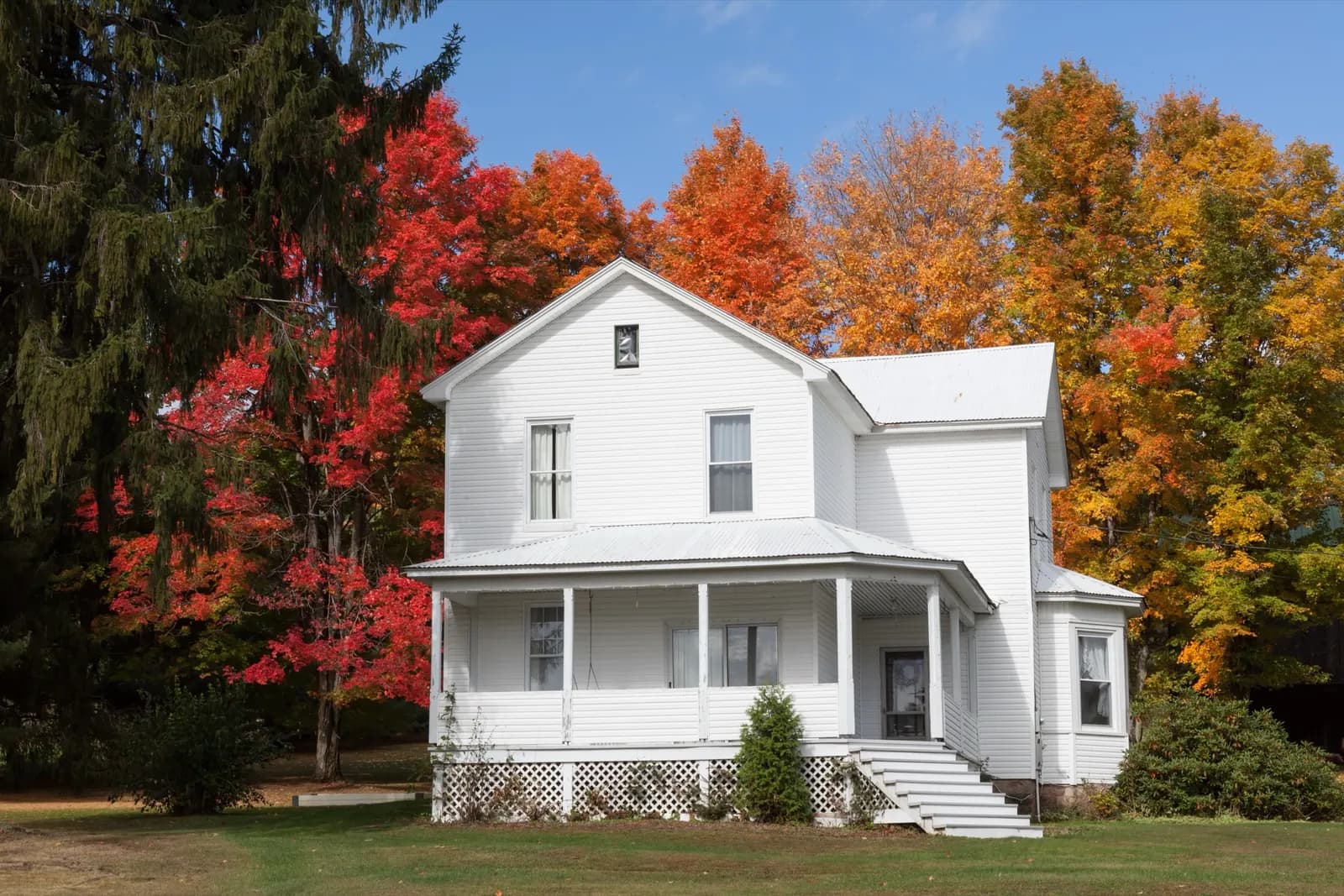
Reading has the kind of housing stock that keeps painters busy and homeowners thinking. Around Reading Center and the Depot you find older colonials, Victorians and farmhouse-style homes with clapboard siding and plenty of trim. Farther from the center, streets fill with capes, garrison colonials and mid-century ranches, and near Birch Meadow and the town's outer neighborhoods there are newer homes as well.
Older homes in particular reward a careful approach. This guide walks through the house styles common in Reading, colors that suit them, when to paint, how preparation differs on older wood and plaster, what to know about lead paint, and what to ask when you talk to painting contractors.
Reading homes: older center, varied neighborhoods
Reading grew as a railroad town, and the commuter rail stop at the Depot still anchors the center. Homes within walking distance of the station often date from the late 1800s and early 1900s. Expect tall windows, deep window casings, corner boards, decorative brackets, porches with turned columns and balusters, and multiple layers of old paint underneath the current finish.
Moving outward, much of Reading was built in the decades after World War II. Capes with dormers, garrison colonials with an overhanging second floor, and split-levels are common. These homes usually have simpler trim but still feature painted wood or replacement siding, and many have had additions over the years, which can mean mixed materials on the same house.
Because I-93 and Route 128 both run through town, homes on busier corridors can collect road grime faster. That does not change what paint to use, but it does mean washing the exterior thoroughly is an essential part of prep.
Choosing colors for an older Reading home
On Victorians and older colonials, color can highlight the architecture. Historic palettes often use a body color, a trim color and an accent for doors, sashes or details. Deep greens, muted reds, warm creams and slate blues all have roots in 19th and early 20th century New England. A body in a soft historic yellow or gray with cream trim and a dark accent door is a combination that rarely looks out of place near the center.
For capes and garrisons, simpler is often better. Classic white with black shutters, soft gray with white trim, or a sage green body with off-white trim all fit well. If you live near neighbors with similar homes, consider how your house will read on the street. Subtle variation looks intentional; a jarring contrast can feel out of step.
Inside older homes, warm whites and soft neutrals work well with original woodwork, while painted trim in a slightly brighter white can crisp up a room. Always sample in place, since light through older wavy glass and deep window wells can shift how a color reads.
Timing your project
Exterior painting in Reading follows the same general rhythm as the rest of eastern Massachusetts: late spring through mid-fall, when temperatures stay comfortably above the minimum the paint requires and surfaces stay dry. Older wood siding can hold moisture after a rainy stretch, so a good painter may wait an extra day or two before starting a side that has been wet.
Late spring and early fall are often ideal. In summer, crews typically work around the sun, painting each side when it is in shade. Fall projects need to wrap up before nights turn consistently cold and dew lingers late into the morning.
Interior work can be scheduled year-round. For older homes with plaster walls, winter is a good time to do repairs and painting because there is no rush to finish outdoor work. Plan for ventilation and keep heat steady so plaster patches dry properly.
Preparation on older wood and plaster
Older clapboard often carries many layers of paint. Where those layers have built up and cracked, scraping and sanding to a sound surface is necessary before new paint will last. Bare wood should be primed with a suitable primer. Window sills, porch floors and the bottoms of columns are common spots for rot, and repairs there should be made before painting.
Inside, plaster walls develop hairline cracks, especially around doors and windows and along ceilings. Proper repair means opening and filling cracks with the right material, sometimes using mesh tape, and feathering it so it disappears under paint. Simply rolling over a crack usually means it returns soon after.
For newer homes, prep focuses on washing, light sanding, caulking and spot priming. Either way, an estimate should list the preparation steps so you know what you are paying for.
Lead paint in Reading's older homes
With so many homes built well before 1978, lead-based paint is a real factor in Reading. It is most often found on exterior trim, windows, doors, porches and interior woodwork. When that paint is intact and not disturbed, it poses less risk, but scraping, sanding or removing it can release dust and chips.
EPA rules require contractors to follow lead-safe practices when disturbing paint in pre-1978 housing, including containment, dust control and cleanup. Massachusetts also has a lead law that applies to homes where children under six live. Homeowners can use test kits or hire a licensed inspector, and the Massachusetts Department of Public Health publishes guidance for families. Ask every contractor you speak with exactly how they would handle lead on your home.
What to ask before you hire
Ask how the painter approaches older surfaces: how much scraping and sanding they plan, what primer they use on bare wood, and how they handle rot. Ask what is included for interior plaster repair. Ask what kind of paint and sheen they recommend for each surface and why.
Ask about protection and cleanup, including how they protect plantings, walkways, floors and furniture. Ask how they communicate if they find hidden damage once work begins, and how changes are priced. It is also wise to ask about any registration and insurance they carry and to verify it yourself, and to ask specifically about lead-safe practices on older homes.
Blessed Partners & Paint Group serves Reading from our base in Andover. Every project starts with a free estimate that covers prep, surfaces and finish so you can see exactly what is planned. Call or text (781) 420-3172 to schedule yours, or browse our exterior painting and drywall repair services.
Frequently asked questions
- Should I strip all the old paint from my older Reading home?
- Full stripping is rarely necessary. Most projects remove loose and failing paint, sand edges smooth and prime bare spots. Full removal is usually reserved for surfaces where buildup has become too thick to hold new paint. On pre-1978 homes, any removal should follow lead-safe practices.
- Are historic colors required near Reading Center?
- Rules can vary by property, so check with the town if your home is in a designated historic area. Many homeowners near the center choose historic-style palettes simply because they suit the architecture.
- Can plaster walls be painted like drywall?
- Yes, but plaster usually needs more crack repair first, and some older surfaces need a specific primer, especially if they have old oil-based paint. Testing adhesion on a small area is a good idea before painting a whole room.
- How long does an exterior paint job last in this climate?
- It depends on prep, product, exposure and surface. Well-prepared painted wood often lasts many years, with the sunniest and most weather-exposed sides needing attention first. Regular washing and small touch-ups help extend the life of the finish.
- How can I get a painting estimate in Reading, MA?
- Blessed Partners & Paint Group provides free, no-obligation estimates in Reading and nearby towns. Call or text (781) 420-3172 to get started.
Related services
Serving
Found this helpful? Make us a preferred source on Google.
Ready for an exact price?
Get a free, no-pressure in-home estimate. Real numbers for your home, not a phone guess.