
House Painting in Waltham, MA: From Mill-Era Cottages to Office Suites
· By Barreto Lima
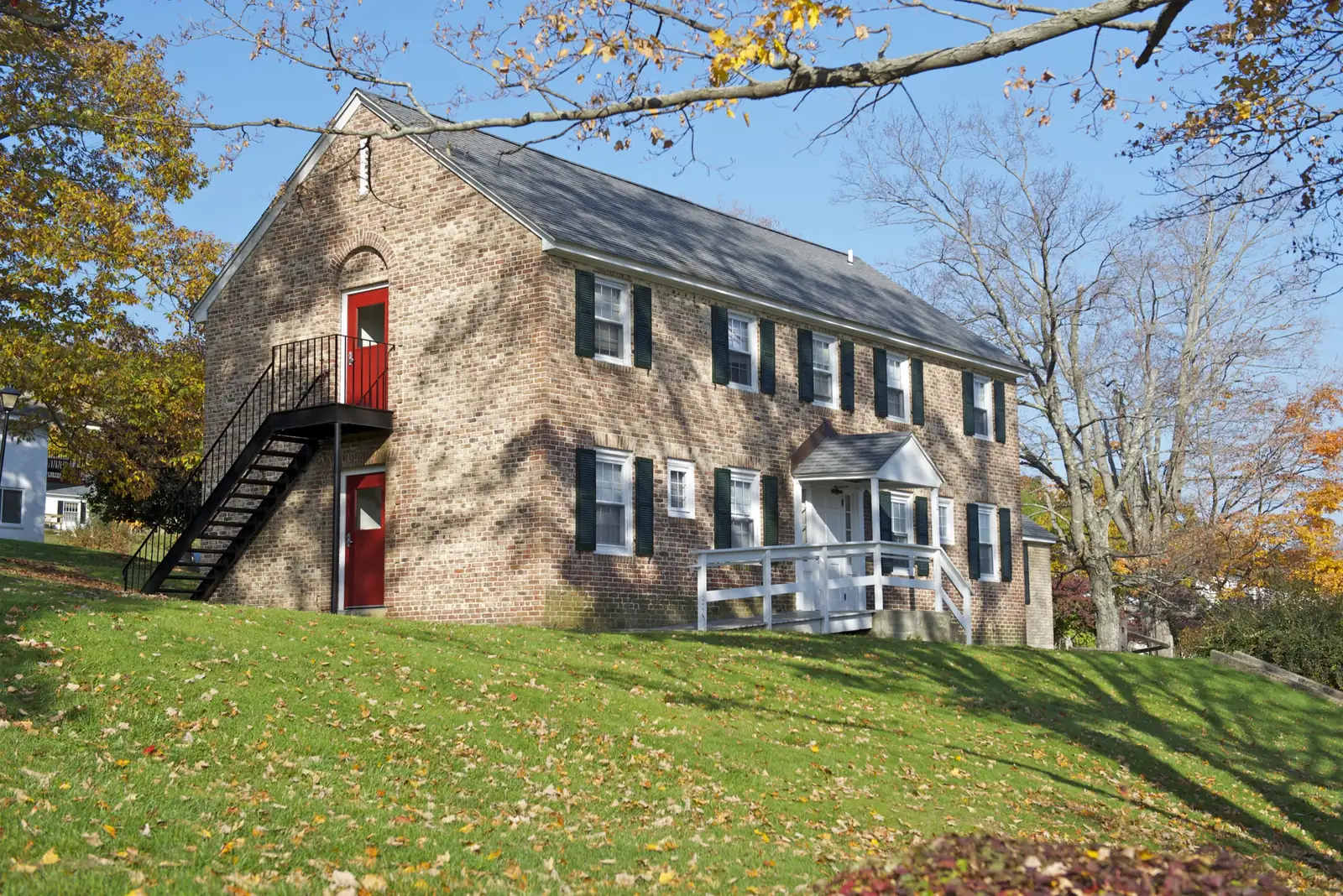
Waltham is often called the Watch City, a name it earned from the watch factory that once ran on the banks of the Charles River. Before that, the Boston Manufacturing Company built one of the country's earliest integrated textile mills here. That industrial past still shapes the city: brick mill buildings near the river, compact worker houses on the South Side and around Moody Street, and newer residential neighborhoods spreading north toward Lexington and Lincoln.
Today Waltham is also a major office and lab market, so painting here covers everything from a hundred-year-old cottage to a modern office suite. This guide walks through the house types you are likely dealing with, color choices, timing, lead paint, prep, commercial considerations and how to compare painters. Every project with Blessed Partners & Paint Group starts with a free estimate.
Waltham's housing, neighborhood by neighborhood
The South Side and the blocks near Moody Street hold much of the city's oldest housing. Many homes were built in the late nineteenth and early twentieth centuries for mill and factory workers: modest single-families, two-families and some triple-deckers set close together on small lots. Wood clapboard, simple trim and front porches are common, though many have been covered with replacement siding over the years.
North of downtown, neighborhoods such as Warrendale, Piety Corner and the Highlands filled in through the twentieth century with Cape Cods, colonials, ranches and split-levels. These homes usually have bigger yards and driveways, and their painting needs lean toward interiors: walls, ceilings, trim, doors, cabinets and drywall repair.
Waltham also has converted mill buildings, office parks along Route 128, labs, retail and restaurants downtown. Those projects bring large wall areas, stairwells, metal doors and railings, and tenants who expect the building to stay usable.
Colors for worker houses and mid-century homes
Older Waltham cottages and two-families look natural in straightforward, traditional schemes: a single body color in a muted gray, blue, green or warm neutral, with white or cream trim and a darker door. Because these houses sit close together, a quieter palette often looks better on the block than a bold one.
Ranches and split-levels from the mid twentieth century can handle a little more contrast. Deep charcoal or navy siding with bright white trim, or a warm greige with black window accents, can make a modest house look sharp. If part of the house is brick or stone, pick a body and trim color that work with its undertone.
Inside, light, warm neutrals help older homes with smaller windows feel brighter, while open-plan homes can carry a deeper accent wall or a contrasting kitchen island. Test samples on large boards and check them in daylight and lamplight before choosing.
When to schedule painting in Waltham
Exterior painting around Boston generally runs from late spring to early fall. Most exterior coatings need surface and air temperatures above a minimum, often around 50 degrees, while they cure, and several dry hours after application. Some products are rated for cooler conditions, so check the label.
Homes and buildings near the Charles River and the low parts of downtown can see morning fog and slow-drying dew, so painting days there tend to start a little later. Higher ground around Prospect Hill and the northern neighborhoods dries faster but takes more wind and sun, which can rush drying on hot afternoons. September is often the most balanced month.
Interior work, cabinet painting and drywall repair can be done year-round. Commercial interiors are often scheduled around business calendars, such as slow seasons, weekends or the gap between tenants.
Lead paint in older Waltham buildings
Lead-based paint was banned for residential use in 1978, and a large share of Waltham's housing near downtown is older than that. Intact lead paint is generally not an immediate hazard, but sanding, scraping or heat-stripping it creates dust and chips that are dangerous, particularly for young children and pregnant women.
Federal EPA rules require contractors who disturb painted surfaces in pre-1978 homes and child-occupied facilities to follow lead-safe practices. Massachusetts Lead Law adds owner requirements when children under six live in a unit, which matters for many rental properties in the city. Ask any painter how they handle containment, cleanup and disposal, and read the current guidance from the Massachusetts Department of Public Health.
Prep is what makes paint last
On older Waltham exteriors, good prep usually includes washing, scraping loose paint, sanding edges smooth, repairing rotted boards, spot priming bare wood and caulking open joints around windows and trim. Porch floors, steps and railings deserve extra attention because water sits on them through every freeze and thaw.
Inside, prep means filling nail pops and cracks, patching damaged drywall or plaster, sanding glossy trim so new paint bonds and protecting floors and furniture. When two estimates differ a lot, the difference is often in how much prep each one includes.
Painting offices, labs and storefronts
Commercial painting in Waltham comes with its own checklist. Ask how the work will be phased so employees or customers can keep using the space, whether evenings or weekends are an option, and how odor and dust will be controlled. Low-odor waterborne coatings are common choices for occupied spaces.
Building access matters too. Office parks and converted mills may have loading docks, elevator reservations, security check-ins and quiet hours. Downtown storefronts on busy streets need a plan for parking and sidewalk use. Share the building rules with your painter early so the schedule reflects them.
How to compare painters
A useful estimate is specific. It should list each surface, the prep steps, the number of coats, the primer and paint category (acrylic latex for most siding and walls, oil-based or alkyd primers for some trim and stains) and how the property will be protected.
Ask how hidden repairs are handled, who you will communicate with during the job, how weather delays are managed and what daily cleanup looks like. Blessed Partners & Paint Group serves Waltham with interior, exterior, cabinet and commercial painting, drywall repair and deck and fence staining. Call or text (781) 420-3172 to book a free estimate.
Frequently asked questions
- How much does interior painting cost in Waltham?
- As a rough guide, most homeowners see interior pricing driven by room size, ceiling height, the amount of patching and how much trim and how many doors are included. Because those factors vary so much from house to house, a free estimate is the best way to get a real number.
- Is it worth painting the trim on a vinyl-sided Waltham house?
- Yes. Painted wood trim, doors, porch parts and window sills protect the wood underneath. Keeping them painted prevents rot and keeps the house looking cared for even when the siding itself does not need paint.
- Can an office be painted without shutting down?
- Often, yes. Work can be phased room by room or done after hours, and low-odor coatings help in occupied spaces. Talk through your schedule during the estimate.
- What is the best time of year to paint a house exterior in Waltham?
- Late spring through early fall, with September often the most reliable. Paint needs dry weather and temperatures above its minimum while it cures.
Related services
Serving
Found this helpful? Make us a preferred source on Google.
Ready for an exact price?
Get a free, no-pressure in-home estimate. Real numbers for your home, not a phone guess.