
House Painting in Wellesley, MA: Planning a Project That Lasts
· By Barreto Lima
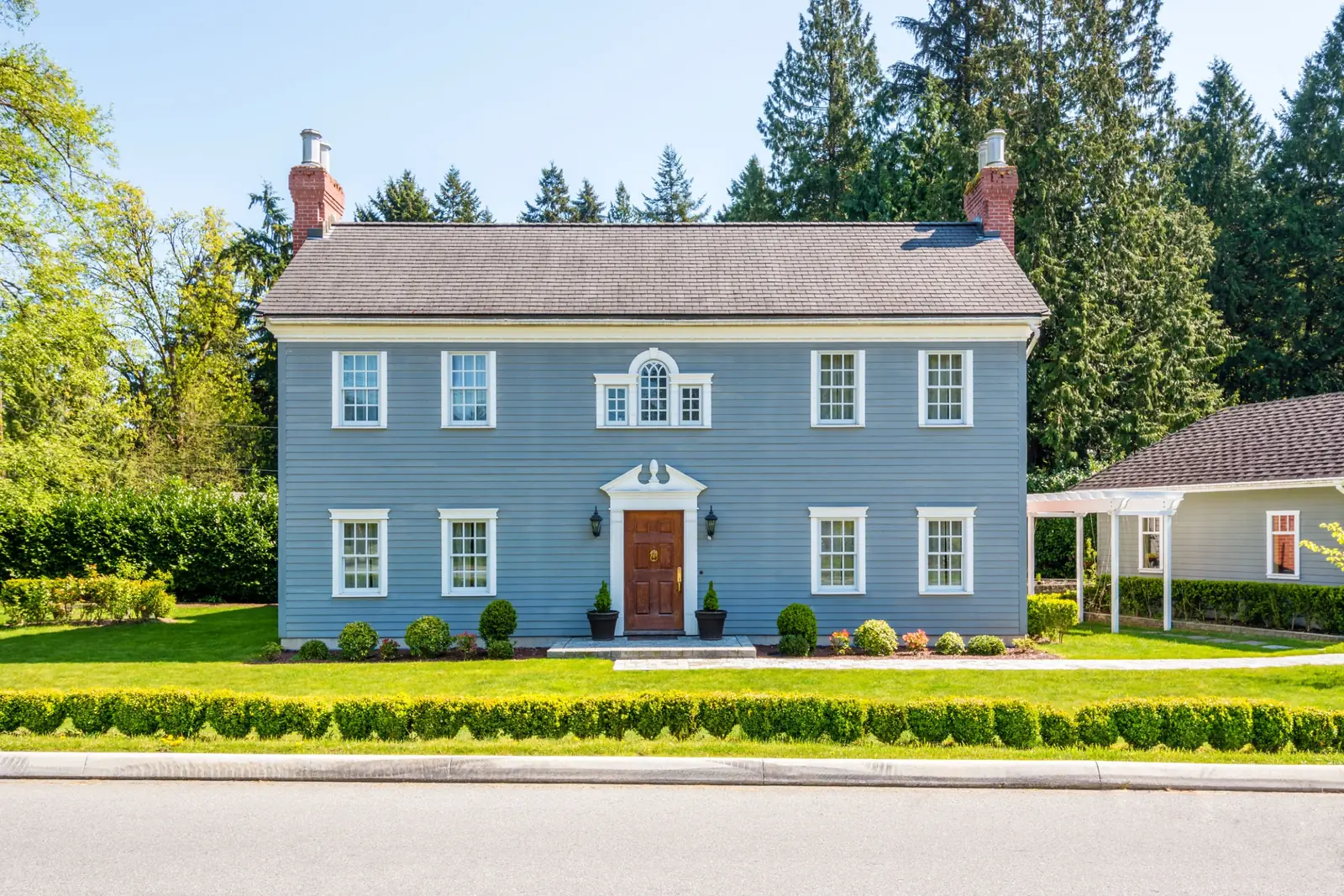
Wellesley homes tend to be well cared for, and paint is a big part of that care. From the older streets around Wellesley Square to the shingled houses near Wellesley Farms and the newer homes going up across town, a fresh, well-prepared paint job protects the wood and keeps a house looking the way its owners want it to.
This guide walks through the questions Wellesley homeowners usually have before a painting project: what kind of siding and trim you are working with, whether shingles should be stained or painted, how to choose colors, when to schedule, what changes with new construction and what to know about lead paint in older homes. If you want an opinion on your own house, every project with Blessed Partners & Paint Group starts with a free estimate.
The houses that make up Wellesley
Wellesley grew as a railroad suburb, and its three commuter rail stations at Wellesley Farms, Wellesley Hills and Wellesley Square still mark the older village centers. The neighborhoods around them were largely built in the late nineteenth and first half of the twentieth century, so Colonial Revivals, Dutch Colonials with gambrel roofs, Tudors, Shingle Style houses and Capes are all common.
After World War II, more neighborhoods filled in with Garrisons, ranches and split-levels. In recent decades many older houses have been replaced by larger new homes, so a single street can include a 1920s Colonial, a 1960s ranch and a home finished last year.
Each of those needs a different approach. Older homes usually mean more prep on aging wood. Mid-century homes often mix painted wood with other siding. New construction is mostly about a clean, consistent finish over fresh drywall and new millwork.
Shingles, clapboard and choosing stain or paint
Cedar shingles are common in Wellesley, especially on Shingle Style and Cape homes. Whether to stain or paint them depends largely on what is already there. Shingles that have only ever been stained can be re-stained with a semi-transparent or solid stain, which soaks into the wood and tends to wear by fading rather than peeling. Once shingles have been painted, going back to a stain usually is not practical without stripping, so they generally stay painted.
Clapboard siding, the standard on many Colonials, is usually painted with an exterior acrylic latex over a sound, primed surface. Trim, sash and doors may get a different sheen, often satin or semi-gloss, so they shed water and clean up easily.
If you are not sure what your siding has on it, a close look during an estimate usually answers the question. Getting this right is one of the biggest factors in how long the next coat lasts.
Color ideas for Wellesley homes
Classic New England palettes suit most of Wellesley's older houses. White or off-white trim with a gray, blue, muted green or soft yellow body is a reliable choice for Colonials and Dutch Colonials. Black, deep green or dark gray shutters and a single strong front door color finish the look.
Tudors often look best with warm off-white or tan stucco and dark half-timbering, while brick homes need trim colors that complement the brick rather than compete with it. Newer homes give more freedom. Deep charcoal, navy and black exteriors with crisp white or natural wood accents have become popular, but they show heat and fading more on sunny walls, so ask about products made for dark colors.
Test any color on the house itself. Paint large samples on a sunny wall and a shaded one and look at them morning and evening. Under Wellesley's tree cover, colors can look noticeably darker than the chip.
Timing a Wellesley paint project
Exterior painting around Wellesley usually happens from late spring to early fall. Most exterior coatings need air and surface temperatures above a minimum, often near 50 degrees, while they cure, and they should not be applied when rain or heavy dew is expected soon after. The product label sets the exact limits.
June can be wet, July and August bring heat that makes paint dry too fast on sun-baked walls, and September is often the most dependable month. By late October, cold nights shorten the working day. Shaded lots stay damp in the morning, so crews often begin on the sunniest side.
Interior painting, cabinet refinishing and drywall repair work year round. Many homeowners schedule inside projects in winter and line up exterior work for the following season.
Painting new construction and large open interiors
New Wellesley homes often have two-story foyers, open kitchen and family rooms, coffered ceilings and a lot of painted trim and built-ins. Large walls make any unevenness in sheen or coverage easy to spot, so new drywall needs a proper primer before the finish coats. Many builders apply only a primer and one coat, and homeowners later choose to repaint in their own colors.
Expect some settling in the first year or two. Small nail pops and hairline cracks at corners and seams are normal as framing dries out, and they are usually patched and touched up before a full repaint.
For high walls and stairwells, ask how access will be handled and how floors and railings will be protected. These details are easy to cover during an estimate and make a real difference in a finished home.
Lead paint in older Wellesley homes
Lead-based paint was banned for residential use in 1978, so many of Wellesley's older homes may have it beneath newer coats. Intact lead paint is generally not a hazard by itself, but scraping and sanding it creates dust and chips that can be harmful, especially for young children and pregnant women.
Federal EPA rules require contractors who disturb painted surfaces in pre-1978 homes to follow lead-safe work practices, and the Massachusetts Lead Law adds requirements when a child under six lives in the home. Ask any painter how they handle containment and cleanup, and check current guidance from the Massachusetts Department of Public Health. If your home is in one of Wellesley's local historic districts, also check with the town before changing exterior colors.
Comparing painters and estimates
A good estimate lists the rooms or elevations, the surfaces included, the number of coats, the primer and paint categories and how your home and yard will be protected. If two estimates look very different, the difference is often in prep, so read that part carefully.
Ask how hidden repairs are handled, how you will hear about progress and what cleanup looks like each day. For an exterior, ask how rain delays are scheduled.
Blessed Partners & Paint Group is based in Andover and serves Wellesley along with nearby towns such as Weston and Newton. Services include interior painting, exterior painting, cabinet painting, drywall repair, deck and fence staining and commercial painting. Call or text (781) 420-3172 to set up a free estimate.
Frequently asked questions
- Is it better to stain or paint cedar shingles in Wellesley?
- If the shingles have only been stained, staining again is usually the simpler and longer-lasting option. If they have already been painted, they generally need to stay painted unless they are stripped.
- When should I repaint a newly built home?
- Many homeowners wait a year or two so the house can settle, then patch nail pops and seam cracks and repaint in their own colors. If the builder finish is thin or the colors are not what you want, it can be done sooner.
- What is the best month to paint a house exterior in Wellesley?
- September is often the most dependable, with mild temperatures and lower humidity, though late spring and summer also work when the weather is dry. The paint's minimum temperature and the dew point are what matter most.
- How much does house painting in Wellesley cost?
- It depends on the size of the house, the siding type, the condition of the surfaces and how much prep and repair is needed. As a rough guide, homes with a lot of trim, tall walls or old peeling paint take longer than simpler projects. A free estimate on your actual home is the reliable way to know.
Related services
Serving
Found this helpful? Make us a preferred source on Google.
Ready for an exact price?
Get a free, no-pressure in-home estimate. Real numbers for your home, not a phone guess.