
House Painting in Wilmington, MA: Wooded Lots, Decks and Timing
· By Barreto Lima
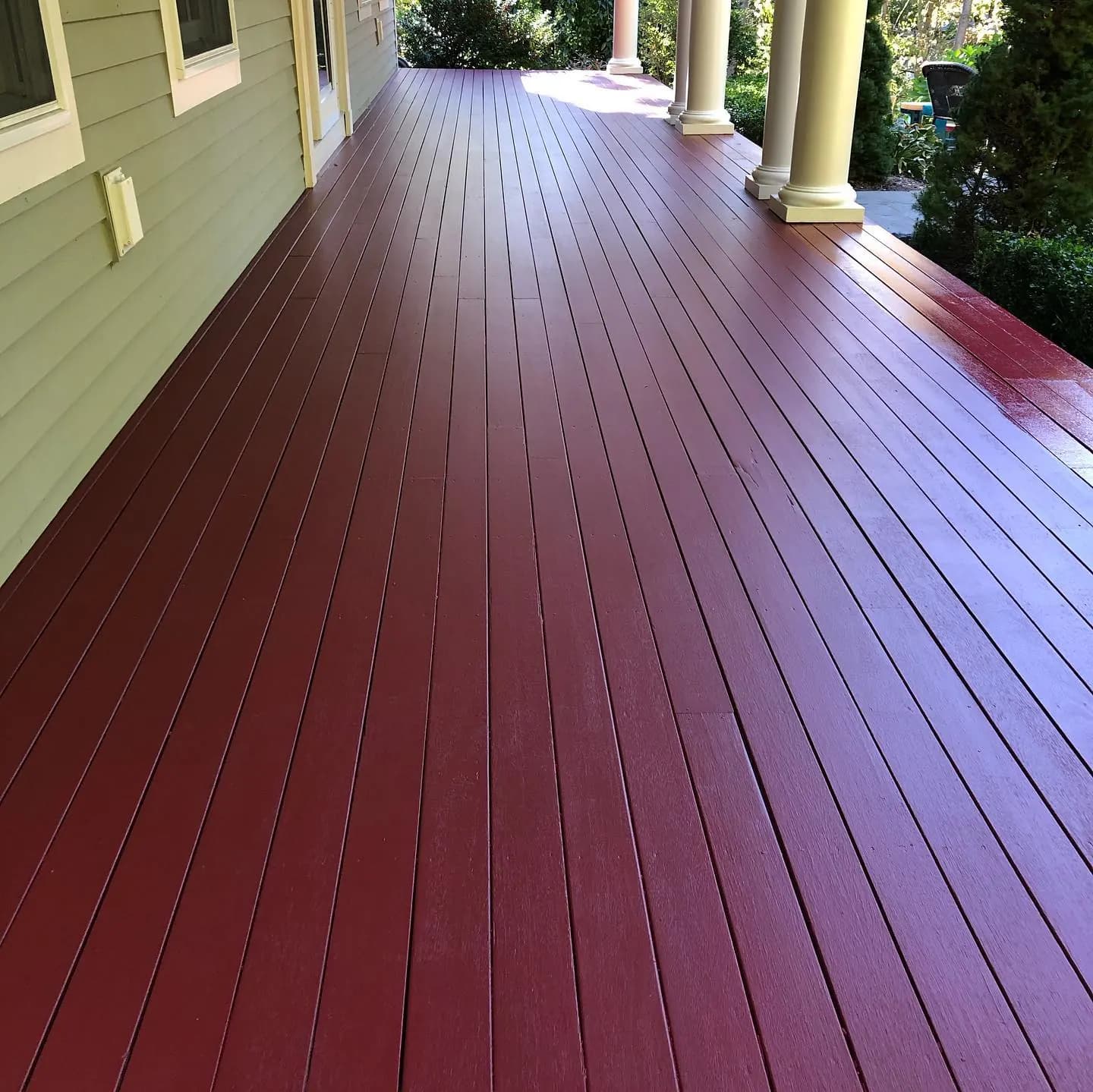
Wilmington is a town of tree-lined streets and back yards that run into the woods. Most of its homes went up during the decades after World War II, when the town grew from a farming community into a suburb along Route 38 and, later, Interstate 93. Capes, ranches, raised ranches and colonials make up much of the housing, with a few older farmhouses still standing along the main roads.
Those trees are a big part of why people like living here, and they are also the biggest factor in how paint and stain hold up. This guide covers what Wilmington homeowners should know before a project: how shade and moisture affect exteriors, what decks need, when to schedule, why prep matters, lead paint basics in older homes and rough cost ranges. Blessed Partners & Paint Group is based in neighboring Andover, and every project starts with a free estimate.
Wilmington's common house styles and their paint needs
Capes and ranches from the 1950s and 1960s are everywhere in Wilmington. Many still have wood clapboard or cedar shingle siding, painted trim and small entry porches. Shingles can be painted or stained, and the right choice depends on what is on them now: once shingles have been painted, going back to a natural stain is rarely practical.
Raised ranches and split-levels add long runs of fascia and soffit, garage doors and a tall wall on the lower side of the house. Colonials from the 1980s onward often have vinyl siding, which shifts the focus to trim, doors, shutters, railings and the deck.
Older homes along Main Street, Middlesex Avenue and near Wilmington Center, some dating to the 1800s, need the full treatment that any antique house does: scraping, sanding, priming bare wood and careful caulking around old windows and corner boards.
Shade, moisture and the life of exterior paint
On a wooded lot, the side of the house facing the trees can stay damp for hours after the rest has dried. That lingering moisture feeds mildew and algae and weakens the bond between paint and wood over time. Pine needles and leaves also clog gutters, and overflowing gutters send water straight down fascia boards and the top courses of siding.
Before repainting, it helps to deal with the causes: clean or guard the gutters, trim branches that touch the roof or siding and improve drainage near the foundation if water pools there. Washing the house thoroughly and treating mildew before paint goes on gives the new coat a clean, dry surface to grip.
Homes near Silver Lake or the brooks that run through town may see a bit more humidity. Paint products with mildew-resistant additives are widely available, and a good painter can recommend a category of product that suits a shaded exposure.
Decks and fences under the trees
Decks are a big part of Wilmington back yards, and they take more abuse than any painted surface on the house. Boards under trees stay wet, collect debris in the gaps and turn gray, while sections in full sun dry out, check and splinter. Many decks end up with both conditions at once.
Good deck staining starts with cleaning the wood, removing failing coatings, letting the boards dry thoroughly and then applying a stain matched to the exposure. Penetrating stains (transparent or semi-transparent) soak into the wood and wear gradually, while solid stains and deck paints form a film that covers more but can peel if moisture gets underneath. On shaded decks, a penetrating product is often easier to maintain.
Fences follow the same logic. Wood fences that run along a tree line stay damp near the ground, so the bottom few inches usually show wear first. Keeping soil and mulch away from the bottom boards helps any stain last longer.
When to paint and stain in Wilmington
Exterior painting and staining in Wilmington is generally best from late spring through early fall. Many exterior paints need temperatures above roughly 50 degrees while curing, though some products are rated lower, so the label is the final word. Stain also needs dry wood, which can take a few days after heavy rain on a shaded deck.
September is often the most reliable month, with mild days and lower humidity. Fall leaf drop can complicate deck work late in the season, so it is smart to schedule deck staining before the trees let go. Interior painting, cabinet painting and drywall repair can happen any time of year.
Lead paint in older Wilmington homes
Lead-based paint was banned for residential use in 1978, and much of Wilmington's post-war housing was built before then. If your Cape or ranch has original painted trim, windows or siding, there may be lead in the lower layers. Intact paint is not usually a problem on its own, but scraping and sanding it creates hazardous dust.
Federal EPA rules require contractors working on pre-1978 homes to use lead-safe work practices when disturbing paint, and the Massachusetts Lead Law adds obligations where young children live. Ask any painter how they handle containment and cleanup, and check current guidance from the Massachusetts Department of Public Health.
Rough cost ranges for painting and staining
Every home is different, so these are general market figures, not quotes. As a rough guide, most homeowners in the area see interior room repaints typically range from a few hundred dollars to a couple thousand per room. Deck staining on a typical residential deck often falls in the high hundreds to low thousands, depending on size, condition and how much stripping is needed. Full exterior repaints commonly reach five figures, with tall raised ranches and homes needing heavy prep toward the higher end.
Prep is the biggest variable. A deck that needs old solid stain stripped, or a house with peeling paint on every shaded wall, takes far more labor than one that only needs a wash and a fresh coat.
Blessed Partners & Paint Group is based next door in Andover and offers interior and exterior painting, cabinet painting, drywall repair, deck and fence staining and commercial painting in Wilmington. Call or text (781) 420-3172 to set up a free estimate for your home.
Frequently asked questions
- Should I paint or stain my cedar shingles?
- If the shingles have never been painted, a stain lets the wood breathe and wears gradually. If they are already painted, repainting is usually the practical choice. An estimate can confirm what is on the shingles now.
- How long should a deck dry before staining?
- Wood should be dry to the touch and below the moisture level the stain manufacturer recommends. On a shaded Wilmington deck that can mean a few dry days after cleaning or rain.
- Why does paint keep peeling on my fascia boards?
- Fascia under trees often fails because gutters overflow and soak the wood. Clearing or guarding gutters and repairing soft wood before painting is the long-term fix.
- What does it cost to paint a house in Wilmington?
- It depends on the size of the house, the siding, the amount of prep and whether a deck or fence is included. The reliable number comes from a free estimate on your actual home.
Related services
Serving
Found this helpful? Make us a preferred source on Google.
Ready for an exact price?
Get a free, no-pressure in-home estimate. Real numbers for your home, not a phone guess.