
How Much Does It Cost to Paint a House Exterior in Massachusetts?
· By Barreto Lima
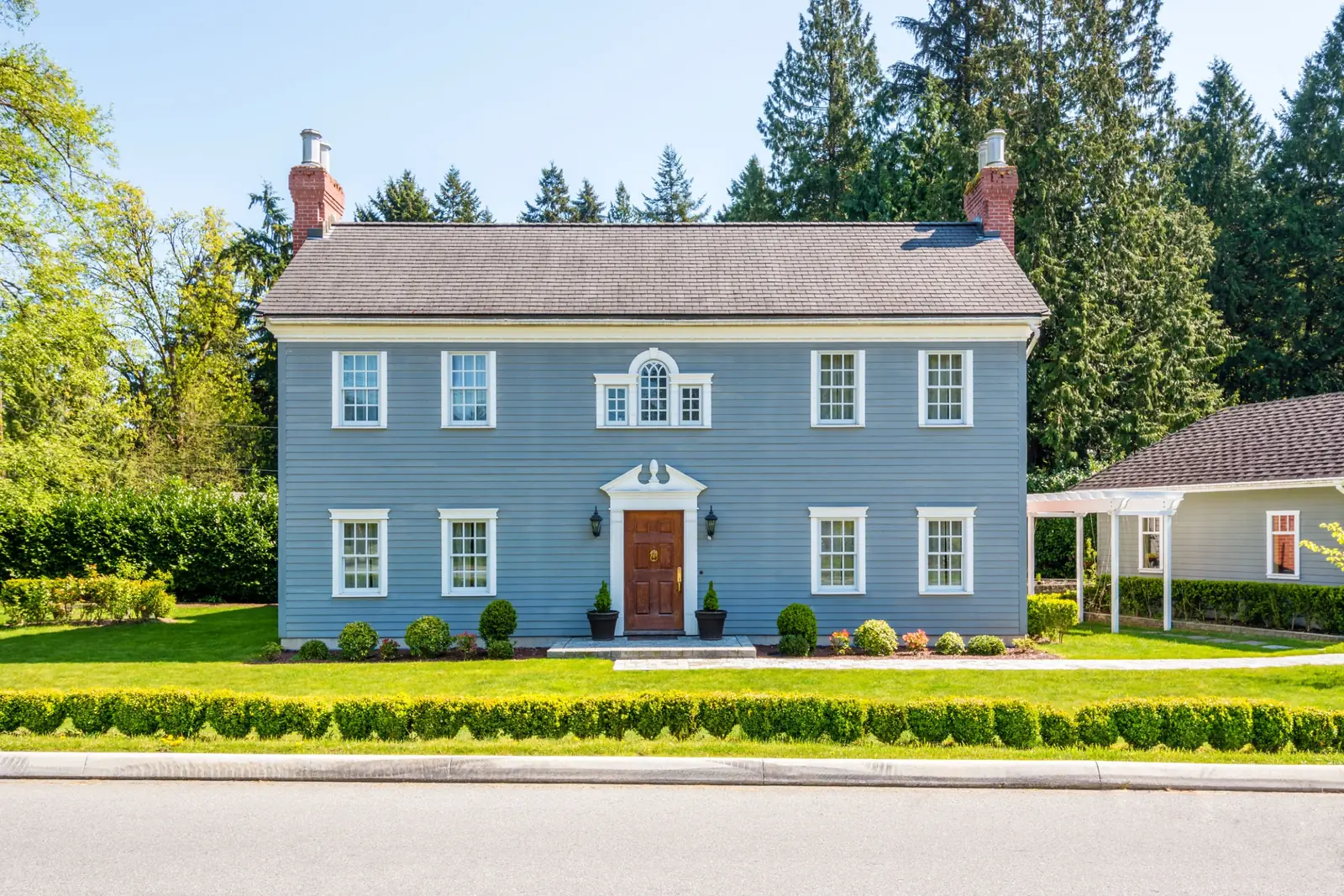
If you own a colonial, a cape or a split-level anywhere north and west of Boston, the question usually comes up the same way: the clapboards are starting to look tired, a few spots on the trim are peeling, and you want to know what a full exterior repaint will actually cost before you start calling painters. The honest answer is that it depends on the house, but the factors that move the price are predictable, and once you understand them you can read any quote with confidence.
This guide walks through typical market ranges for exterior painting in Massachusetts, the specific things that push a project up or down, and the questions worth asking before you sign anything. The numbers here are rough guides drawn from what homeowners across the state commonly report, not a price list. The only way to know the real cost for your home is an on-site estimate, and Blessed Partners & Paint Group offers that for free, with no obligation.
Typical price ranges for a Massachusetts exterior repaint
As a rough guide, most homeowners in eastern Massachusetts see exterior painting quotes somewhere between $4,000 and $12,000 for a typical single-family home, with smaller ranches and capes toward the lower end and larger two-story colonials toward the upper end. Big homes with lots of trim, three stories, or heavy prep needs can run well past that range, sometimes into the high teens or more.
Another way contractors often think about it is by paintable square footage of siding. Across the region, labor and materials together typically land somewhere around $2 to $5 per square foot of exterior surface, depending on condition and access. That spread is wide on purpose: a house that only needs a light wash and one coat is a very different job from one that needs scraping, priming bare wood and replacing rotted sections of trim.
Treat these figures as a starting point for budgeting, not a promise. Prices shift with the season, the cost of materials and how busy local crews are. A detailed free estimate from a painter who has actually walked your property will always be more accurate than any average.
What drives the cost up or down
Size is the obvious factor, but height matters almost as much. A two-story colonial with a steep roofline needs taller ladders or staging, more setup time and more careful work near the gables. A single-story ranch lets the crew move faster and safer, which usually shows up in the price.
Condition is the second big variable. Prep work, meaning washing, scraping loose paint, sanding edges smooth, filling cracks, caulking gaps and spot-priming bare wood, is often 30 to 50 percent of the labor on an older New England home. If your paint is still well bonded and only faded, prep is light. If it is peeling in sheets, the job takes longer and costs more.
Trim complexity is the third. Homes with lots of windows, decorative corner boards, shutters, dentil molding or porch columns take far more brushwork than a plain box with vinyl windows.
Finally, the siding material changes the approach. Wood clapboard and cedar shingles are common in older Andover and North Andover neighborhoods and absorb paint differently than fiber cement or aluminum. Shingles in particular take more product and more time because of all the edges.
Older homes, lead paint and why prep matters
A large share of the housing stock in towns like Andover, Arlington and Somerville was built well before 1978, the year lead-based paint was banned for residential use. If your home predates that, there is a real chance some layer of paint underneath contains lead. Federal rules require contractors to follow specific lead-safe work practices when disturbing that paint, and those practices (containment, plastic sheeting, careful cleanup) add time and cost.
This is one reason why two quotes for the same house can look very different. A lower bid that skips proper containment or glosses over scraping may look attractive, but it can leave you with a health hazard and a paint job that fails early. Ask every painter how they plan to handle older paint on your home, and make sure the answer is specific.
Good prep is also what makes the finish last. Paint applied over chalky, dirty or loose surfaces will not bond well, no matter how expensive the product is. When you compare estimates, the prep description deserves as much attention as the price.
Paint and materials: where the money goes
Materials usually represent a smaller share of the total than people expect, often somewhere between 15 and 25 percent. The rest is labor. Still, the quality of the coating matters. A premium exterior acrylic latex generally holds color better and resists cracking through freeze and thaw cycles, which is exactly what a Massachusetts winter throws at your siding.
Bare wood and repaired areas typically need a primer first. Some older homes with many layers of oil-based paint need a bonding primer before a latex topcoat will stick properly.
Two finish coats are a common recommendation for a full color change or for surfaces that are badly weathered. A single coat can sometimes work when you are refreshing the same color on sound paint. Ask what each quote includes so you are comparing like for like.
How to compare exterior painting quotes
A useful quote spells out which surfaces are included (siding, trim, doors, shutters, gutters, porch ceilings, foundation), how many coats will go on, what prep steps are planned, and how the crew will protect landscaping, walkways and windows. Vague quotes that just say paint exterior of house make it impossible to know what you are buying.
Ask how rotted wood will be handled. Many older homes have a few soft spots on sills, fascia or corner boards. Some painters include minor repairs, others price them separately once they see the extent. Knowing that up front prevents surprises halfway through the job.
Ways to keep the cost reasonable
Timing helps. Booking your project early in the year for late spring or early summer gives you more choice of dates. Painting before the existing coat fails completely also saves money, because a house that is only faded needs much less prep than one that is peeling down to bare wood.
Most of all, keep the scope clear. Decide on colors, which surfaces you want included and whether you want doors or shutters done before the estimate visit, so the quote you get reflects what you actually want.
Getting an accurate number for your home
Averages are helpful for planning, but your home has its own height, trim, siding and history. The fastest way to get a real number is to have a painter walk the property, look at the condition of the paint and wood, and write up a detailed estimate covering prep, surfaces and finish.
Blessed Partners & Paint Group is based in Andover and paints homes north and west of Boston, including North Andover, Boxford, Reading, Wilmington, Winchester, Lexington and Concord. Every project starts with a free estimate. You can call or text (781) 420-3172 to set one up, or read more about our exterior painting service.
Frequently asked questions
- How much does it cost to paint the outside of a house in Massachusetts?
- As a rough guide, many Massachusetts homeowners see quotes between about $4,000 and $12,000 for an average single-family home, with larger or heavily weathered homes costing more. The exact price depends on size, height, siding type, trim detail and how much prep is needed, so a free on-site estimate is the only way to get a real number.
- Why do exterior painting quotes vary so much?
- Quotes differ mostly because of prep. One painter may plan thorough scraping, sanding, priming and caulking while another plans a quick wash and paint. Differences in the number of coats, the paint grade and how rotted wood is handled also change the total. Comparing the scope line by line matters more than comparing the bottom number.
- Does an older home cost more to paint?
- Often, yes. Older homes tend to have more layers of paint, more peeling, more wood repair and, if built before 1978, possible lead paint that requires lead-safe work practices. Those steps add labor, but they are what make the new paint last and keep the job safe.
- How long does an exterior paint job last in New England?
- With good prep and quality exterior paint, many homeowners get roughly 7 to 10 years on wood siding, sometimes more on sheltered sides of the house. Sun-facing walls and trim usually wear first. Regular washing and touching up small failures early can extend the life of the finish.
- Is the estimate really free?
- Yes. Blessed Partners & Paint Group starts every job with a free estimate, with no cost and no obligation. Call or text (781) 420-3172 to schedule one.
Related services
Found this helpful? Make us a preferred source on Google.
Ready for an exact price?
Get a free, no-pressure in-home estimate. Real numbers for your home, not a phone guess.